DOE's $10.5 Billion Grid Modernization: Lowering Outage Risks
Anúncios
Watching the lights flicker during a summer heatwave or winter storm is a stressful reminder of how strained America’s aging power lines have become. Backing nationwide Grid Modernization with $10.5 billion in federal funding aims to cut blackout risks and keep electricity flowing reliably across the United States.
Deployed through the Department of Energy’s Grid Resilience and Innovation Partnerships program, the capital targets hardened transmission corridors, smart distribution sensors, and utility-scale microgrids. Upgrading aging substations and expanding high-voltage capacity helps utilities isolate storm damage faster while integrating cleaner generation without overloading local feeders.
Whether you track utility reliability, clean-energy infrastructure, or household power resilience, these regional upgrades will reshape how electricity reaches communities nationwide. Here are the funded projects, reliability milestones, and regional timelines to watch next.
Understanding the Scope of the Grid Modernization Initiative
The Department of Energy Rolls Out $10.5 Billion Nationwide Grid Modernization Initiative, signaling a comprehensive federal commitment to energy security. This unprecedented investment is structured to address systemic vulnerabilities within the national electric grid, which has long been susceptible to disruptions.
The funding will be distributed through various programs, including grants and technical assistance, targeting states, tribes, and utility companies. These resources are intended to facilitate the adoption of cutting-edge technologies and implement best practices in grid management, moving towards a more robust infrastructure.
Anúncios
This initiative represents a strategic pivot from reactive repairs to proactive resilience building, aiming to preemptively mitigate risks. The scale of the investment reflects a recognition of the critical role a stable power supply plays in national security and economic stability.
Key Pillars of Investment
The Grid Modernization Initiative focuses on several core areas to maximize its impact. These pillars are designed to create a synergistic effect, enhancing overall grid performance and reliability.
One primary focus is the deployment of advanced smart grid technologies, which include sensors, automated controls, and real-time monitoring systems. These technologies enable utilities to detect and respond to outages more quickly, often preventing widespread disruptions before they occur.
Anúncios
Hardening Infrastructure: Reinforcing power lines, substations, and other critical components against extreme weather events.
Advanced Technologies: Implementing smart grid systems, energy storage solutions, and distributed energy resources.
Cybersecurity Enhancements: Strengthening defenses against cyberattacks that could cripple the grid.
Renewable Energy Integration: Facilitating the seamless incorporation of solar, wind, and other clean energy sources.
Another crucial aspect involves strengthening cybersecurity measures to protect the grid from increasingly sophisticated digital threats. By fortifying digital infrastructure, the initiative aims to prevent malicious actors from compromising essential services and data.
Addressing the Challenge of Power Outages
The Department of Energy Rolls Out $10.5 Billion Nationwide Grid Modernization Initiative, directly confronting the pervasive issue of power disruptions. These outages, often caused by severe weather or aging infrastructure, impose significant economic and social costs on communities across the nation.
The initiative’s primary objective is to reduce the frequency and duration of these outages, thereby enhancing the quality of life and economic productivity for millions. By investing in resilient infrastructure and advanced technologies, the DOE seeks to create a more dependable energy landscape.
This proactive approach aims to shift the paradigm from simply restoring power after an outage to preventing outages from happening in the first place. The focus is on building a grid that is inherently more stable and less prone to widespread failures.
Impact of Extreme Weather on Grid Reliability
Extreme weather events have become a major catalyst for power outages, highlighting the urgent need for a more resilient grid. Hurricanes, wildfires, ice storms, and heatwaves increasingly test the limits of existing infrastructure, often leading to prolonged blackouts.
The Grid Modernization Initiative specifically allocates funds to make the grid more robust against these climatic challenges. This includes burying power lines in vulnerable areas, upgrading poles and wires to withstand higher winds, and implementing advanced vegetation management practices.
These investments are critical for communities that frequently bear the brunt of severe weather, offering a pathway to greater energy security and peace of mind. The goal is to ensure that essential services remain operational even under the most challenging environmental conditions.
Technological Advancements Driving Grid Modernization
The Department of Energy Rolls Out $10.5 Billion Nationwide Grid Modernization Initiative, heavily relying on cutting-edge technological advancements. These innovations are fundamental to transforming an outdated grid into a dynamic, responsive, and resilient energy network capable of meeting 21st-century demands.
From smart meters to advanced sensors and automated control systems, technology plays a pivotal role in every aspect of this modernization effort. These tools provide utilities with unprecedented visibility and control over their networks, enabling more efficient operations and quicker response times to potential issues.
The integration of artificial intelligence and machine learning is also expected to optimize grid performance, predict potential failures, and manage energy flow more effectively. This technological leap is essential for achieving the ambitious goals set forth by the DOE initiative.

A significant component of the Grid Modernization Initiative involves the deployment of distributed energy resources (DERs). These include rooftop solar panels, battery storage systems, and electric vehicle charging stations, which can operate independently or in conjunction with the main grid.
DERs enhance grid resilience by providing localized power generation, reducing reliance on centralized power plants and long-distance transmission lines. This decentralization makes the grid less vulnerable to widespread failures and offers greater flexibility in energy management.
Smart Meters: Providing real-time data on energy consumption, enabling better demand management.
Automated Fault Location: Quickly identifying and isolating grid faults to minimize outage areas.
Energy Storage Systems: Storing surplus energy for use during peak demand or outages.
Microgrids: Self-sufficient energy systems that can disconnect from the main grid during disturbances.
These technological integrations are not just about efficiency; they are about creating a more adaptable and intelligent grid. The Department of Energy Rolls Out $10.5 Billion Nationwide Grid Modernization Initiative by leveraging these innovations to build a truly resilient system.
Economic and Environmental Benefits of Modernizing the Grid
The Department of Energy Rolls Out $10.5 Billion Nationwide Grid Modernization Initiative, promising substantial economic and environmental benefits beyond enhanced reliability. This investment is projected to stimulate job creation, foster technological innovation, and accelerate the transition to a cleaner energy economy.
Economically, the initiative will create thousands of jobs in construction, engineering, manufacturing, and technology sectors across the country. These jobs are crucial for local economies and contribute to national economic growth, providing skilled employment opportunities.
Environmentally, a modernized grid is essential for integrating a higher percentage of renewable energy sources, such as solar and wind power. This transition reduces reliance on fossil fuels, leading to a significant decrease in greenhouse gas emissions and a cleaner environment.
Job Creation and Local Economic Impact
The Grid Modernization Initiative is expected to be a powerful engine for economic development. The sheer scale of the investment necessitates a robust workforce, from skilled laborers to highly specialized engineers.
Local communities will see direct benefits through increased employment opportunities and economic activity related to infrastructure projects. These projects often involve local contractors and suppliers, further boosting regional economies.
Moreover, a more reliable grid reduces business losses due to power outages, safeguarding productivity and economic stability. This ripple effect creates a stronger, more resilient economic landscape for businesses of all sizes.
Federal and State Collaboration in Grid Modernization
The Department of Energy Rolls Out $10.5 Billion Nationwide Grid Modernization Initiative, emphasizing the critical role of collaboration between federal and state entities. This multi-level cooperation is essential for the successful implementation and long-term sustainability of such a vast and complex undertaking.
The DOE is working closely with state energy offices, public utility commissions, and local governments to ensure that funding is allocated effectively and projects align with regional needs. This coordinated approach helps overcome regulatory hurdles and streamlines project execution, fostering a unified national effort.
State and local partnerships are crucial for identifying specific vulnerabilities and tailoring solutions that best serve diverse communities. This collaborative framework ensures that the benefits of the Grid Modernization Initiative are equitably distributed across the country.
The federal government provides the foundational funding and strategic direction, while states contribute by developing localized plans and regulatory frameworks. This division of labor ensures that both national objectives and local specificities are addressed in the modernization efforts.
This collaborative model also facilitates knowledge sharing and the adoption of best practices across different regions. By learning from successful projects and addressing challenges collectively, the overall efficiency and impact of the Department of Energy Rolls Out $10.5 Billion Nationwide Grid Modernization Initiative are significantly enhanced.
Challenges and Future Outlook for Grid Modernization
The Department of Energy Rolls Out $10.5 Billion Nationwide Grid Modernization Initiative, yet faces inherent challenges that require careful navigation. The sheer scale and complexity of transforming a century-old infrastructure present significant hurdles, from technological integration to regulatory complexities.
One primary challenge is ensuring interoperability among diverse technologies and systems implemented by various utilities and states. Standardizing protocols and fostering seamless communication across the grid are crucial for achieving a truly integrated and resilient network.
Another significant hurdle involves securing adequate skilled labor and specialized equipment to execute the numerous projects envisioned by the initiative. Workforce development and supply chain resilience are key considerations for maintaining momentum and achieving project timelines effectively.
Overcoming Implementation Hurdles
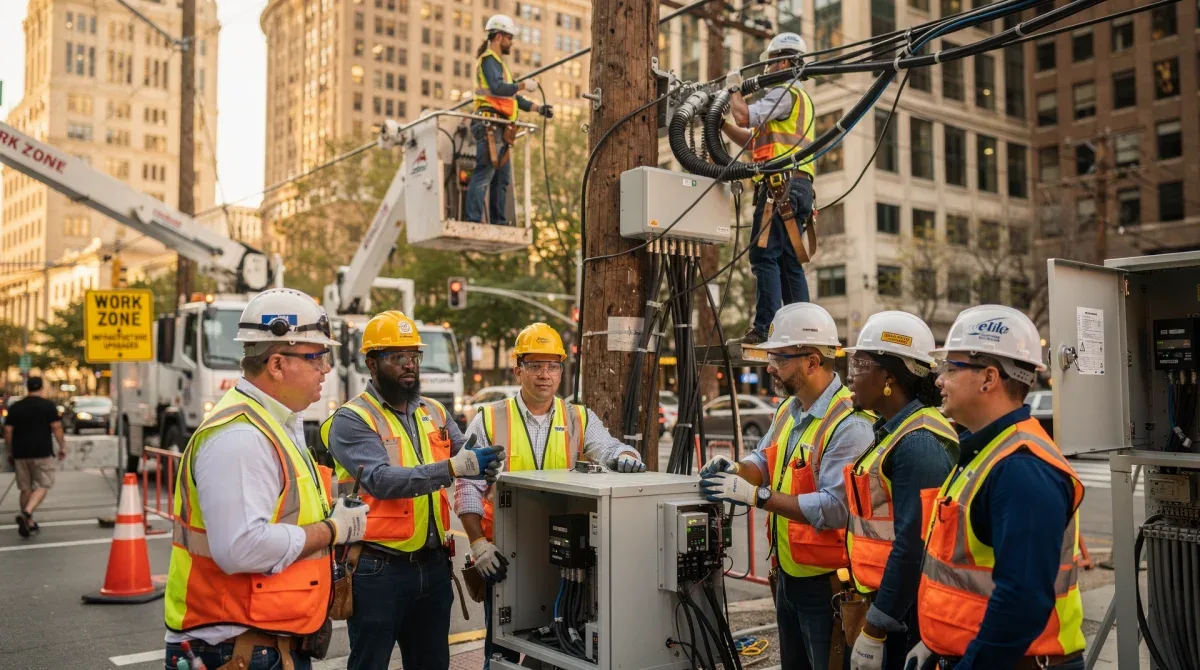
Implementing the Grid Modernization Initiative requires overcoming a myriad of practical and logistical challenges. These include navigating complex permitting processes, managing large-scale construction projects, and integrating new technologies with legacy systems.
Effective project management and robust public-private partnerships are vital for addressing these hurdles. Collaborations between government agencies, utility companies, and technology providers are essential for pooling resources and expertise.
The Department of Energy Rolls Out $10.5 Billion Nationwide Grid Modernization Initiative, underscoring the need for continuous innovation and adaptive strategies to overcome unforeseen obstacles. Flexibility in planning and execution will be paramount for success.
Public Engagement and Community Impact
The Department of Energy Rolls Out $10.5 Billion Nationwide Grid Modernization Initiative, with a strong emphasis on public engagement and direct community impact. Understanding and addressing local concerns is vital for the successful implementation of grid upgrades, fostering trust and cooperation.
Utilities and government agencies are expected to conduct extensive outreach to inform residents and businesses about planned projects, potential disruptions, and the long-term benefits of modernization. Transparent communication helps manage expectations and builds community support for these essential infrastructure improvements.
The initiative also aims to ensure equitable access to reliable and affordable energy, particularly for underserved communities that have historically borne a disproportionate burden of grid vulnerabilities. This focus on energy justice is a core tenet of the modernization effort.
Ensuring Equitable Benefits
The Grid Modernization Initiative is designed to deliver benefits that are broadly shared across all communities. This includes prioritizing investments in areas most susceptible to outages and those with vulnerable populations.
By improving grid resilience in these regions, the initiative seeks to reduce economic disparities caused by unreliable power access. This commitment to equity ensures that all citizens can benefit from a more robust and modern energy infrastructure.
The Department of Energy Rolls Out $10.5 Billion Nationwide Grid Modernization Initiative, demonstrating a holistic approach that considers not only technical advancements but also social and economic equity in its implementation. This integrated strategy is crucial for long-term success.
Key Aspect | Brief Description |
|---|---|
Investment Size | $10.5 billion allocated to nationwide grid modernization. |
Primary Goal | Significantly lower power outage risks across the U.S. |
Key Technologies | Smart grid, energy storage, cybersecurity, renewable integration. |
Expected Impact | Enhanced reliability, economic growth, environmental benefits. |
Frequently Asked Questions About Grid Modernization
What is the main goal of the Department of Energy's initiative?▼
The primary goal of the Department of Energy Rolls Out $10.5 Billion Nationwide Grid Modernization Initiative to Lower Power Outage Risks is to enhance the reliability and resilience of the national electric grid. This aims to significantly reduce the frequency and duration of power outages caused by extreme weather, cyberattacks, and aging infrastructure, ensuring a more stable power supply for all Americans.
How will this funding be distributed?▼
The $10.5 billion will be distributed through various federal programs, including competitive grants and technical assistance, primarily to states, tribal nations, and utility companies. These funds are intended to support projects that upgrade infrastructure, deploy advanced technologies, and strengthen grid cybersecurity measures across the United States.
What technologies are central to this Grid Modernization Initiative?▼
Central technologies include smart grid systems, such as advanced sensors and automated controls, energy storage solutions, and enhanced cybersecurity measures. The initiative also emphasizes the better integration of renewable energy sources like solar and wind power, along with the development of microgrids to increase localized resilience and energy independence.
What are the expected benefits for consumers?▼
Consumers can expect fewer and shorter power outages, leading to greater energy reliability and reduced disruptions to daily life and businesses. The modernization also aims to facilitate the integration of cleaner energy, potentially contributing to lower energy costs in the long run and a more sustainable energy future for communities nationwide.
How does this initiative address climate change?▼
By making the grid more resilient to extreme weather events, which are exacerbated by climate change, the initiative directly addresses its impacts. Furthermore, by facilitating the integration of renewable energy sources, it supports the transition away from fossil fuels, contributing to a significant reduction in greenhouse gas emissions and promoting environmental sustainability.
Looking Ahead
The Department of Energy Rolls Out $10.5 Billion Nationwide Grid Modernization Initiative to, setting a clear trajectory for the nation's energy future. This substantial investment is a testament to the urgent need for a more robust and resilient power system capable of meeting modern challenges.
As these projects move from planning to implementation, stakeholders across the energy sector will closely monitor their progress and impact. The success of this initiative will not only redefine energy reliability but also serve as a blueprint for future infrastructure investments, demonstrating the power of strategic federal action.
The ongoing commitment to innovation, collaboration, and equity will be paramount in ensuring that the benefits of this Grid Modernization Initiative are fully realized, securing a stable and sustainable energy supply for generations to come.