DOT Mandates 100% Cash Refunds for Major Airline Disruptions in 2026
Anúncios
Protecting your travel budget during major flight cancellations requires knowing your fundamental consumer rights under updated federal transportation mandates. Enforcing automatic Cash Refunds guarantees that stranded passengers receive full financial reimbursement directly to their original payment method rather than being forced into unwanted airline travel vouchers.
Federal regulations now require carriers to issue prompt payouts within seven business days whenever domestic flights suffer three-hour delays or total itinerary cancellations. Rejecting alternative rebooking options allows travelers to bypass credit limits and reclaim their money automatically when airlines fail to deliver scheduled flight services.
Understanding federal passenger protections ensures you never forfeit hundreds of dollars in ticket fees during severe travel disruptions. Here is how to navigate mandatory reimbursement rules, decline airline travel credits, and secure full monetary returns when your flight gets cancelled.
DOT Mandates Full Cash Refunds for Major Airline Disruptions
The U.S. Department of Transportation (DOT) has announced a groundbreaking new rule, set to take effect in 2026, mandating that airlines provide 100% cash refunds to passengers for major flight disruptions.
This significant policy shift is designed to enhance consumer protection and ensure travelers are not left stranded financially when their travel plans are severely impacted.
Anúncios
This regulation directly addresses longstanding complaints from passengers regarding difficulties in obtaining refunds for canceled flights, significant delays, or involuntary itinerary changes. The DOT's move aims to standardize refund practices across the airline industry, providing a clear and enforceable framework.
The new rule reflects a concerted effort by federal regulators to strengthen passenger rights, particularly in the wake of widespread disruptions experienced during recent years. It underscores a commitment to holding airlines accountable for their service obligations.
Understanding the Scope of the New Refund Rule
The mandatory 100% cash refund policy applies to a specific set of circumstances defined as 'major airline disruptions.' These include flight cancellations, significant schedule changes, and delays that prevent a passenger from reasonably using their ticket.
Anúncios
The DOT has clarified that a 'significant schedule change' or 'delay' will be determined based on factors such as the length of the delay, the departure or arrival times, and the number of connections. This specificity aims to provide clear guidelines for both airlines and consumers.
The regulation also covers situations where a passenger is downgraded to a lower class of service or where their checked baggage is lost and not returned within a reasonable timeframe. These provisions ensure comprehensive protection for various types of travel-related inconveniences.
Defining Major Disruptions for Cash Refunds
Cancellations: Any flight cancellation by the airline, regardless of the reason, entitles the passenger to a full cash refund if they choose not to accept alternative transportation or a travel credit.
Significant Delays: Delays exceeding three hours for domestic flights and six hours for international flights typically qualify as significant, especially if they impact the passenger's ability to complete their journey as planned.
Itinerary Changes: Changes to the departure or arrival airport, an increase in the number of connections, or a downgrade in class of service also trigger the mandatory cash refund provision.
These definitions are crucial for both consumers and airlines to understand their rights and obligations under the new mandate. The DOT's detailed guidance seeks to minimize ambiguity and facilitate smoother resolution processes.
Timeline and Implementation Details for 2026
The Department of Transportation Implements Mandatory 100% Cash Refunds, allowing airlines sufficient time to adjust their systems and policies. This phased approach is intended to ensure a smooth transition for the entire industry.
Airlines are expected to update their reservation systems, customer service protocols, and staff training programs to comply with the new requirements. The two-year lead time provides an opportunity for airlines to integrate these changes effectively.
The DOT will also be issuing further interpretive guidance and conducting outreach to both consumers and airlines leading up to the 2026 implementation date. This proactive communication aims to ensure widespread understanding and compliance with the new regulations.
Airline Preparations and Compliance
Airlines are already beginning to assess the operational and financial implications of the new refund mandate. This includes evaluating potential impacts on their balance sheets and developing strategies to manage increased refund volumes.
Many carriers are reviewing their existing refund policies and IT infrastructure to ensure they can process cash refunds efficiently and within the stipulated timeframe. The goal is to avoid penalties for non-compliance once the rule is fully enforced.
Industry experts predict that airlines may adjust their fare structures or operational models to absorb the costs associated with these new refund obligations. However, the overarching goal remains improved consumer confidence and protection.
Impact on Travelers and Consumer Rights
The Department of Transportation Implements Mandatory 100% Cash Refunds, marking a significant victory for consumer rights advocates. Travelers will now have a clear and enforceable right to their money back.
This rule empowers passengers by removing the ambiguity and often frustrating process of seeking refunds for disrupted flights. It reduces the likelihood of airlines offering only travel vouchers or credits, which may not be suitable for all travelers.
The enhanced protection is expected to restore a greater sense of trust between passengers and airlines, knowing that their financial investment in a ticket is secure even if unforeseen disruptions occur. This is a critical step towards a more equitable travel experience.
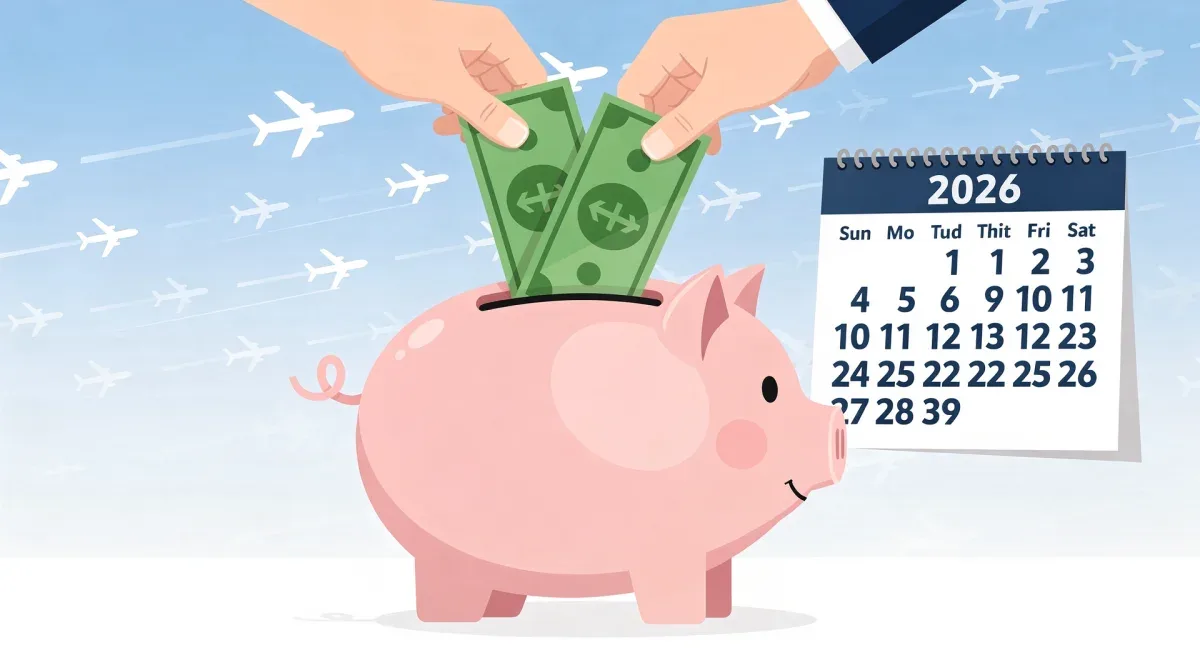
Economic and Operational Implications for Airlines
The new mandate for Department of Transportation Implements Mandatory 100% Cash Refunds will undoubtedly have significant economic and operational implications for airlines. Carriers will need to re-evaluate their financial risk management strategies.
Airlines typically rely on revenue from non-refundable tickets and the ability to issue travel credits during disruptions. The shift to mandatory cash refunds could impact their liquidity, especially during periods of widespread operational challenges.
Operational adjustments might include investing in more robust contingency planning, improving communication systems to proactively inform passengers, and potentially increasing staffing for customer service and refund processing departments. The industry is bracing for these changes.
Financial Adjustments and Risk Management
Increased Cash Outflows: Airlines must budget for potentially higher cash outflows during periods of high disruption, requiring more robust cash flow management.
Revenue Management: Some airlines might adjust pricing strategies or introduce new fare types to account for the increased financial liability associated with mandatory cash refunds.
Insurance and Hedging: Carriers may explore new insurance products or financial hedging strategies to mitigate the financial risks posed by the new refund rules.
The long-term effects on airline profitability and business models will become clearer as the implementation date approaches and the industry adapts to these new financial realities. The focus will be on maintaining operational efficiency while adhering to the new regulations.
Previous Refund Challenges and the Need for Change
Before the Department of Transportation Implements Mandatory 100% Cash Refunds, passengers often faced significant hurdles in securing refunds. Many found themselves in lengthy disputes with airlines over eligibility and form of compensation.
The COVID-19 pandemic highlighted these deficiencies, as millions of travelers struggled to retrieve funds for canceled flights. This period saw a surge in consumer complaints, underscoring the inadequacy of existing regulations and airline practices.
The DOT received numerous reports of airlines offering only flight credits, even when cash refunds were legally due under existing, less stringent rules. This created a strong impetus for stronger, clearer federal oversight.
Enforcement and Penalties for Non-Compliance
Once the Department of Transportation Implements Mandatory 100% Cash Refunds, the DOT will have enhanced powers to enforce compliance. Airlines failing to adhere to the new rules could face substantial penalties.
The DOT's enforcement arm will actively investigate consumer complaints and conduct audits to ensure airlines are providing cash refunds as mandated. This robust oversight is crucial for the effectiveness of the new regulation.
Penalties for non-compliance could include significant fines per violation, which can quickly accumulate given the volume of air travel. These deterrents are designed to ensure airlines take their obligations seriously.
Ensuring Airline Accountability
The regulatory framework includes mechanisms for passengers to easily file complaints with the DOT if an airline fails to provide a timely cash refund. This streamlined process will empower consumers to seek redress effectively.
The DOT has emphasized that transparency and swift action will be key components of its enforcement strategy. This includes publicizing enforcement actions against airlines that repeatedly violate the refund rules.
This proactive stance aims to create a culture of compliance within the airline industry, where passenger rights to cash refunds are not just recognized but consistently upheld without undue burden on the consumer.
Future Outlook for Air Travel and Consumer Confidence
The Department of Transportation Implements Mandatory 100% Cash Refunds is poised to significantly reshape the landscape of air travel. It is expected to boost consumer confidence in booking flights, knowing their investment is protected.
This move aligns with a broader global trend towards stronger consumer protections in the travel sector. It could encourage other regulatory bodies worldwide to consider similar mandates, fostering a more passenger-centric approach across the industry.
Ultimately, a more secure and transparent refund process benefits everyone. Passengers gain peace of mind, and airlines can rebuild trust, potentially leading to increased loyalty and patronage in the long run.
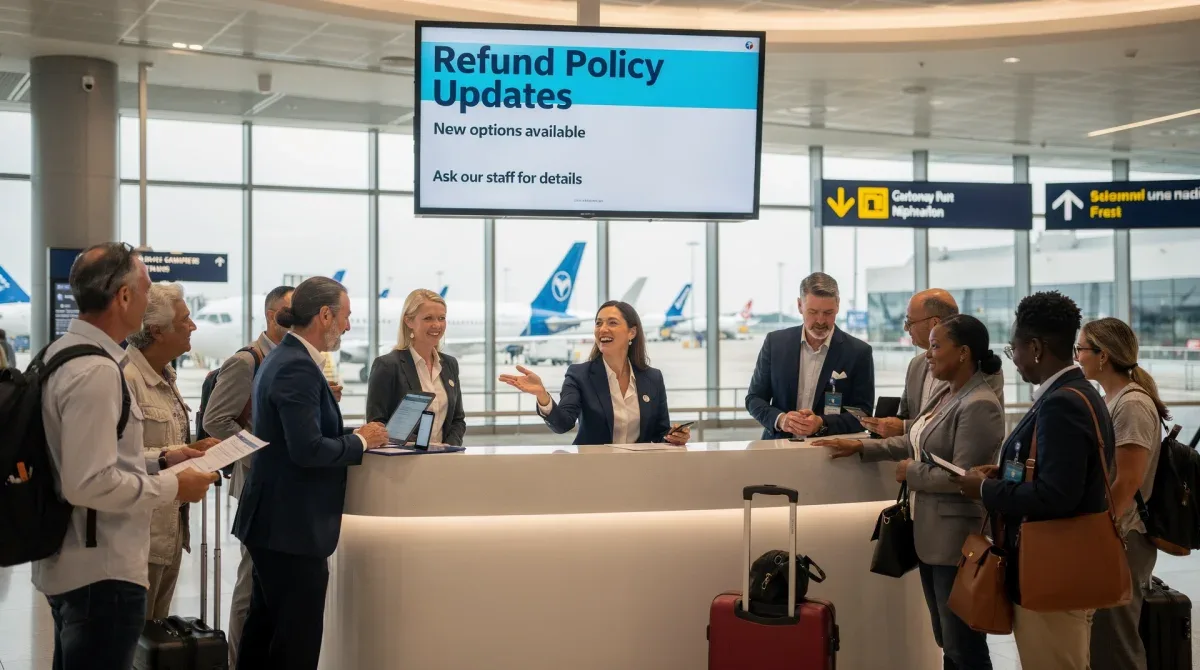
Key Point | Brief Description |
|---|---|
New Mandate | DOT requires 100% cash refunds for major airline disruptions. |
Effective Date | The new rule officially takes effect in 2026. |
Covered Disruptions | Includes cancellations, significant delays, and itinerary changes. |
Consumer Impact | Strengthens traveler rights and boosts confidence in air travel. |
Frequently Asked Questions About DOT Airline Cash Refunds
What exactly does 'major airline disruption' mean under the new rule?▼
'Major airline disruption' refers to flight cancellations, significant schedule changes (e.g., three hours domestic, six hours international), downgrades in class of service, or lost baggage not returned promptly. These specific conditions trigger the mandatory 100% cash refund provision, ensuring clarity for passengers.
When will this new mandatory cash refund policy officially start?▼
The Department of Transportation Implements Mandatory 100% Cash Refunds for Major Airline Disruptions in 2026. This allows airlines ample time to update their systems, policies, and train staff to ensure full compliance with the new regulations, providing a smooth transition for all stakeholders.
What if an airline offers a travel voucher instead of a cash refund?▼
Under the new rule, if your flight experiences a major disruption and you are eligible for a refund, the airline must offer you a 100% cash refund. While they may still offer a travel voucher, you have the right to decline it and insist on a full cash reimbursement, strengthening consumer choice.
How can passengers ensure they receive their cash refund?▼
Passengers should be aware of their rights under the new DOT rule effective in 2026. If an airline fails to provide a cash refund for a qualifying disruption, passengers can file a complaint directly with the Department of Transportation. Keeping records of communication and flight details is crucial for this process.
Will this new rule increase airfare prices?▼
While airlines may adjust their business models to account for increased refund obligations, it's not guaranteed that airfares will uniformly increase. The industry will likely explore various strategies, including operational efficiencies and revised risk management, to mitigate financial impacts without necessarily passing all costs directly to consumers.
Perspectives on Enhanced Consumer Protection
The new mandate, where the Department of Transportation Implements Mandatory 100% Cash Refunds for Major Airline Disruptions in 2026, represents a significant leap forward for consumer protection in air travel.
It provides a clear framework that was previously lacking, empowering travelers with tangible rights. This move is expected to foster greater accountability within the airline industry and restore a much-needed sense of security for passengers.
As the implementation date approaches, all eyes will be on how airlines adapt and how smoothly these crucial changes are integrated into their operations, setting a new standard for customer service.