Fallout
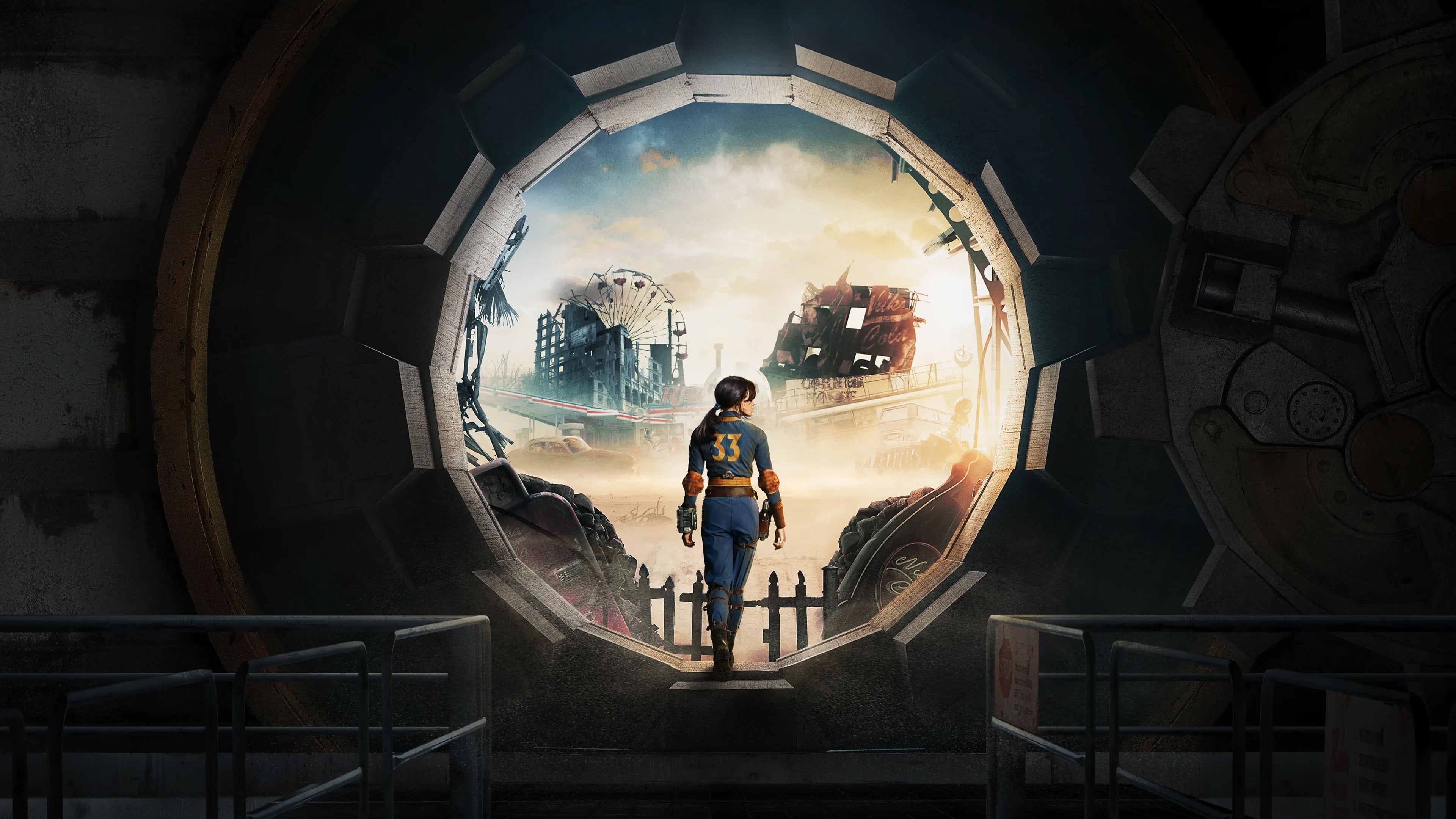
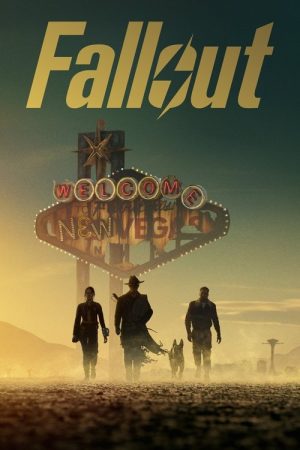
The story of haves and have-nots in a world in which there’s almost nothing left to have. 200 years after the apocalypse, the gentle denizens of luxury fallout shelters are forced to return to the irradiated hellscape their ancestors left behind — and are shocked to discover an incredibly complex, gleefully weird, and highly violent universe waiting for them.
Episodes
No episodes available yet.



Where to watch


HAPPI TV Review
"Fallout" isn't just another video game adaptation; it's a masterclass in translating a beloved IP for a streaming-first audience, and its 8.2 rating feels well-earned. The series cleverly navigates the inherent challenges of such projects, primarily by understanding that fans crave authenticity while new viewers need accessibility. This isn't just a grim post-apocalyptic drama; it's a gleefully weird, darkly comedic odyssey that taps into the current market's hunger for expansive, lived-in worlds.
The narrative structure, immediately splitting our focus between Ella Purnell’s naive Vault Dweller, Aaron Moten’s Brotherhood of Steel initiate, and Walton Goggins’ ghoul, establishes a dynamic tension that keeps the plot propulsive. This multi-POV approach, a staple in premium television, allows for diverse thematic exploration – from class disparity (the haves and have-nots) to the very nature of humanity after catastrophe. Purnell shines, perfectly embodying the wide-eyed wonder and eventual hardened resolve of someone thrust into a world beyond their comprehension. Goggins, as expected, is a scene-stealer, his performance grounding the series' more fantastical elements with a gritty, tragic humanity. The casting choices here are strategic, leveraging known talent to draw eyes while allowing newer faces to truly breakout.
Where "Fallout" excels is in its production design and commitment to the source material's tone. It’s visually stunning, capturing the retro-futurism and irradiated desolation with equal parts reverence and inventiveness. However, the series occasionally leans a touch too heavily on fan service, risking alienating those unfamiliar with the game's deeper lore. While the "complex, gleefully weird, and highly violent universe" is its strongest suit, some of the more niche references could have been integrated more smoothly for a truly universal appeal.
Ultimately, "Fallout" succeeds because it understands its assignment: deliver a big, bold, cinematic experience that feels right at home on a small screen. It's a strategic win for Amazon, demonstrating how to successfully build a streaming empire around pre-existing fandoms without sacrificing narrative integrity or broad appeal. With a second season already greenlit, it's clear this wasteland has plenty more stories to tell, and audiences are ready to keep exploring.