










Where to watch


HAPPI TV Review
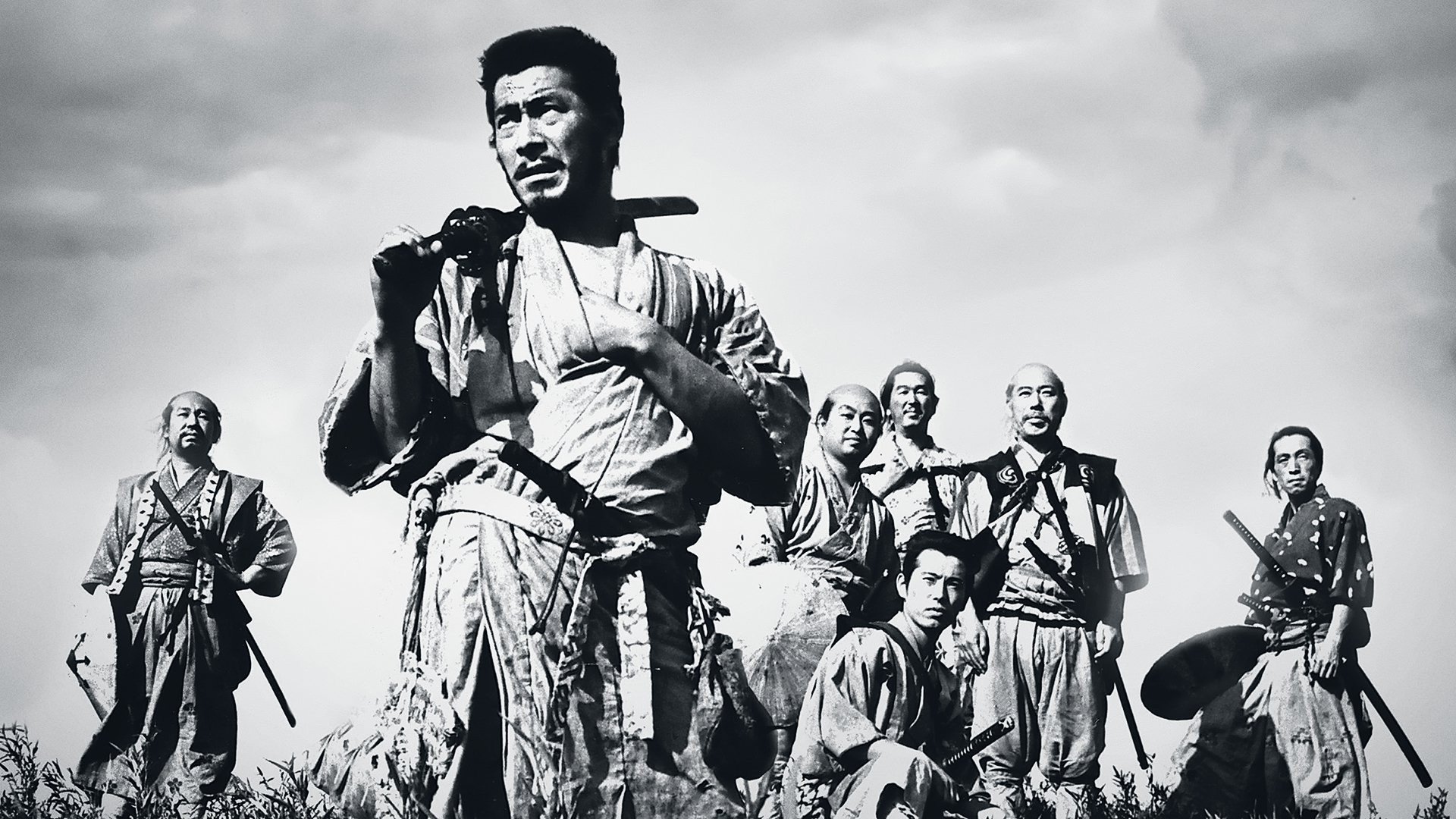
Akira Kurosawa’s 1954 epic, *Seven Samurai*, isn't just a film; it’s foundational cinematic scripture. In an era saturated with IP recycling and instant gratification, revisiting this 207-minute masterpiece offers a crucial lesson in narrative patience and character development, qualities often sacrificed for binge-ability today. The core premise – a desperate village hiring masterless samurai to combat bandits – might sound straightforward, but Kurosawa meticulously builds a world of desperation, honor, and strategic warfare.
The film's strength lies in its masterful pacing. What modern executives might deem "too long," Kurosawa uses to establish the villagers' plight and, more importantly, the distinct personalities and motivations of each samurai. Takashi Shimura's Kambei is the weary, pragmatic leader, a perfect foil to Toshiro Mifune's electrifying, almost feral Kikuchiyo. This careful casting is paramount; these aren't interchangeable action figures, but deeply etched individuals whose internal conflicts and camaraderie drive the drama. This human-centric approach, prioritizing emotional investment over relentless plot points, is what makes the final, rain-soaked battle so visceral and impactful. We care about who lives and who dies because we’ve spent hours understanding their stakes.
However, in today's streaming landscape, *Seven Samurai*'s length could be its biggest hurdle for new audiences. While the slow burn is essential to its artistic merit, the modern viewer, accustomed to tighter episodic structures and immediate payoffs, might struggle with the extensive setup before the action fully ignites. The film's black and white aesthetic, while visually stunning, also presents a barrier for some younger demographics. Yet, its influence is undeniable, having spawned countless imitations and direct remakes.
Ultimately, *Seven Samurai* remains a powerful testament to universal themes of sacrifice, community, and leadership. Its detailed direction, iconic performances, and deeply human story transcend its historical setting. For those willing to invest the time, it’s not just a viewing experience, but a masterclass in storytelling that still resonates, proving that foundational quality always finds an audience, even if it requires a little more commitment than your average 90-minute blockbuster.