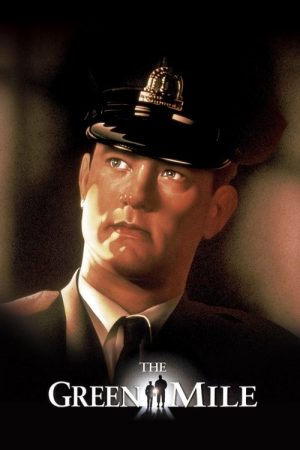
The Green Mile
A supernatural tale set on death row in a Southern prison, where gentle giant John Coffey possesses the mysterious power to heal people’s ailments. When the cell block’s head guard, Paul Edgecomb, recognizes Coffey’s miraculous gift, he tries desperately to help stave off the condemned man’s execution.








Where to watch


HAPPI TV Review
Frank Darabont's 1999 epic, "The Green Mile," remains a fascinating case study in cinematic endurance, especially in our current, attention-deficit streaming landscape. Clocking in at a formidable 189 minutes, this crime-drama-fantasy hybrid, starring Tom Hanks and the unforgettable Michael Clarke Duncan, should, by all modern metrics, feel like a relic. Yet, its persistent popularity and high rating aren't accidental; they speak to a timeless narrative power and strategic casting that transcends fleeting trends.
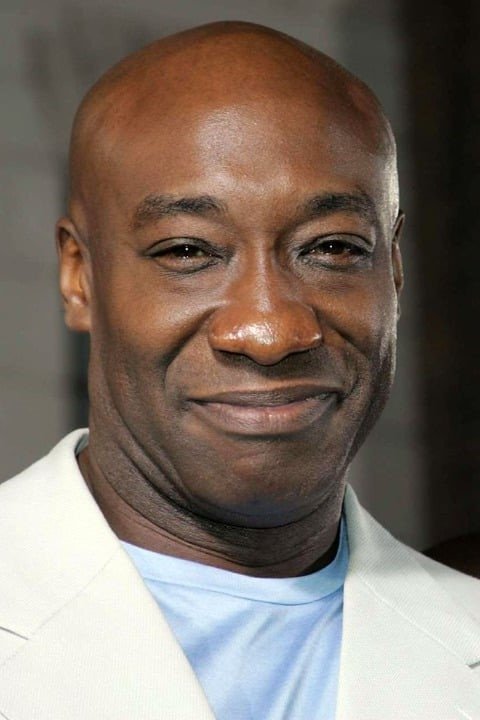
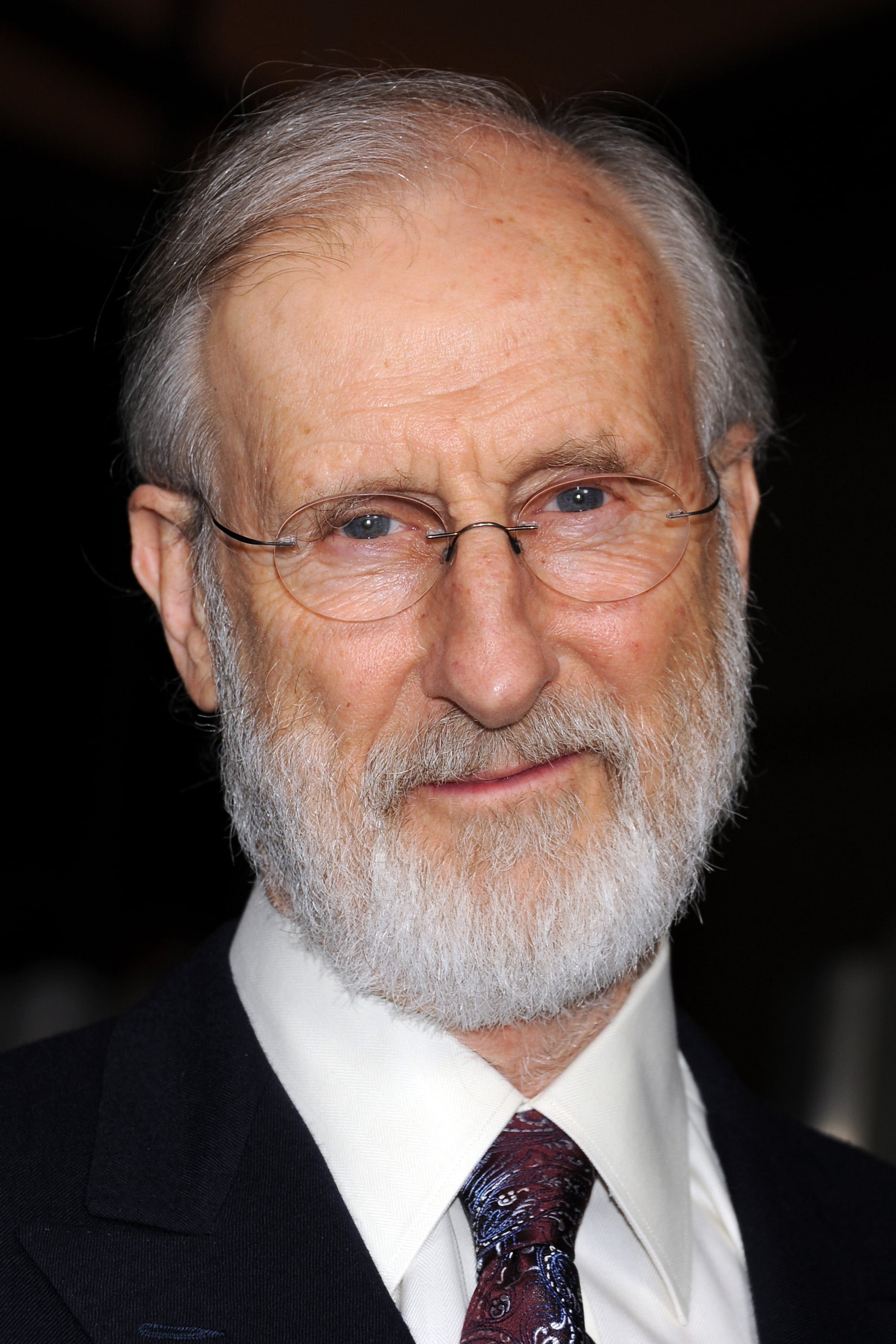
The film's core strength lies in its masterful blend of grounded prison drama with a fantastical, almost spiritual, element. John Coffey, a gentle giant with miraculous healing powers, is a character designed for visceral emotional impact, and Michael Clarke Duncan's performance is nothing short of iconic. This casting choice was critical; Duncan’s physical presence combined with his tender portrayal created a compelling paradox that drives the entire narrative. Tom Hanks, as Paul Edgecomb, anchors the human dilemma, providing a relatable entry point into the supernatural. Their dynamic, alongside a meticulously crafted ensemble including David Morse and James Cromwell, elevates what could have been a saccharine fantasy into a poignant exploration of justice, empathy, and the inexplicable.
However, its length, while contributing to its immersive quality, could be seen as a hurdle for contemporary audiences accustomed to tighter, episodic storytelling. In a market saturated with binge-able content, a three-hour commitment for a single film is a significant ask. Yet, "The Green Mile" succeeds because its narrative, though expansive, is consistently engaging. The pacing, while deliberate, never truly drags, each scene meticulously building towards its devastating emotional climax. Darabont understands that some stories demand time to breathe, to build the necessary emotional resonance for their ultimate impact.
Ultimately, "The Green Mile" works because it delivers on a fundamental human desire for stories that grapple with big questions – good versus evil, life and death, faith and doubt – wrapped in a compelling, character-driven package. Its continued success on digital platforms, despite its runtime, demonstrates that quality storytelling, profound performances, and a well-executed emotional arc will always find an audience, regardless of how fast the industry tries to move. It’s a powerful reminder that some films are designed not just to be watched, but to be experienced.