









Where to watch


HAPPI TV Review
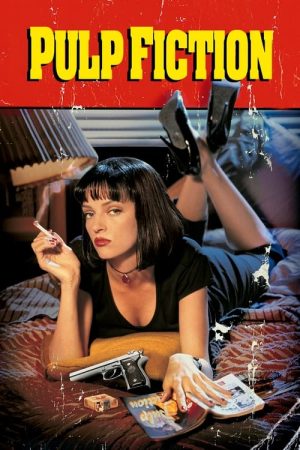
Quentin Tarantino's 1994 phenomenon, *Pulp Fiction*, isn't just a film; it's a cultural touchstone that redefined independent cinema and, critically, laid groundwork for how we consume episodic storytelling today. Its 8.5/10 rating is almost an understatement for a movie that continues to resonate, even in our hyper-fragmented streaming landscape.
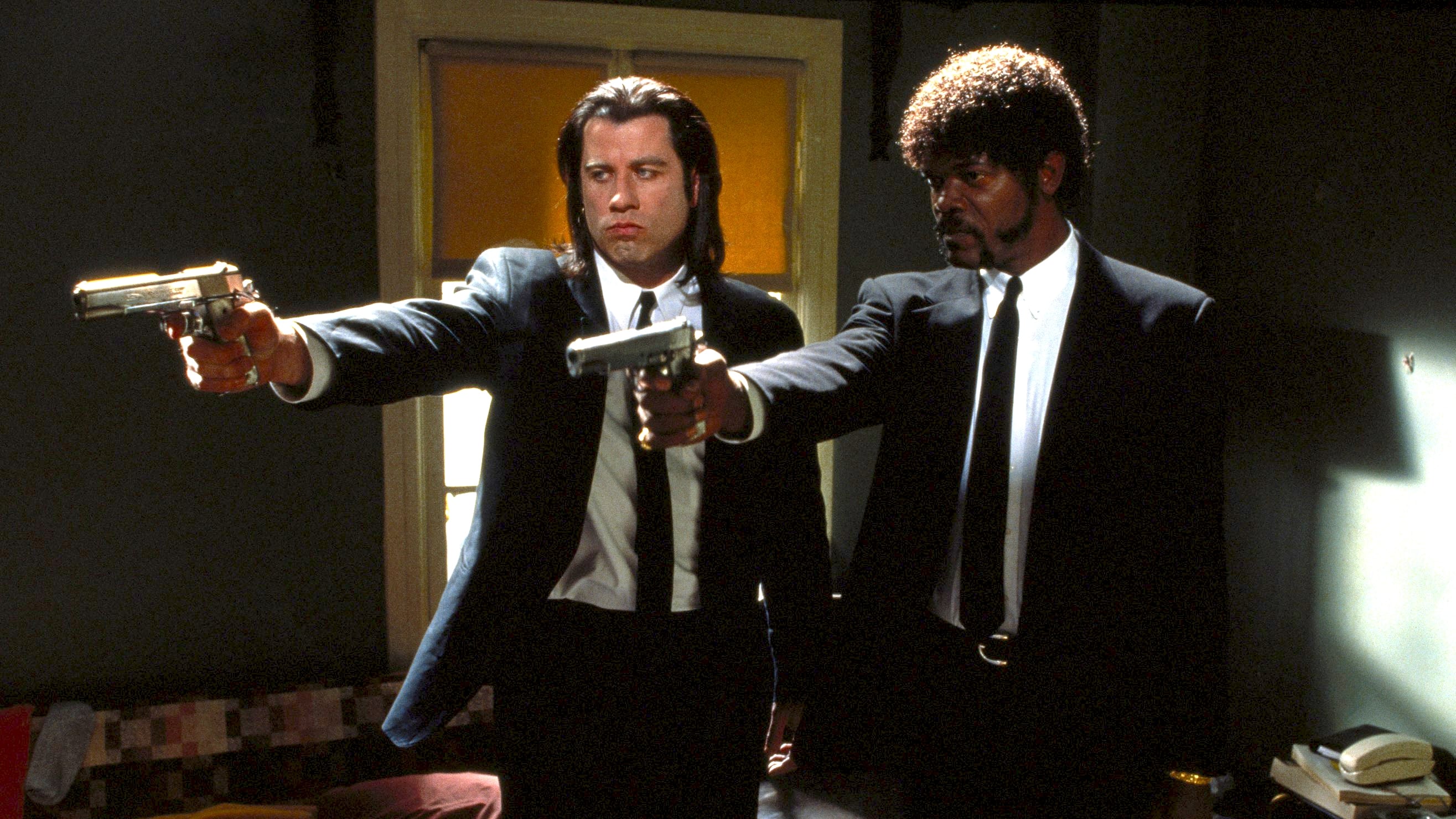
At its core, *Pulp Fiction* thrives on audacious narrative structure. The non-linear, interweaving stories—a burger-loving hitman, his philosophical partner, a gangster's moll, and a washed-up boxer—aren't just a gimmick. They are the engine. This fragmented approach, now a commonplace device in prestige television, was revolutionary then, demanding active viewership and rewarding it with a richer, more complex tapestry. It’s a masterclass in how to build suspense and character through delayed gratification and unexpected connections. This structural daring is precisely why it would still captivate viewers on a platform like Netflix; its rewatchability is baked into its very design, inviting deeper analysis with each viewing.
The casting is another strategic triumph. John Travolta's career revival, Samuel L. Jackson's iconic delivery, Uma Thurman's cool allure—these weren't just great performances, they were transformative. Tarantino understood how to leverage and reinvent established archetypes, creating characters that are instantly recognizable yet uniquely his own. This film didn't just cast actors; it created legends. Ving Rhames, Bruce Willis, Tim Roth—each performance is meticulously crafted, adding layers of dark humor and genuine menace.
However, while its enduring appeal is undeniable, *Pulp Fiction* isn't without its limitations. The film’s deliberate pacing, while contributing to its atmospheric quality, might feel protracted to modern audiences accustomed to faster cuts and more immediate plot progression. Some character arcs, particularly the minor ones, are more sketches than fully realized journeys, relying heavily on the actors' charisma to carry them. While its violence is stylized and often darkly comedic, it can still be jarring, a point that might alienate some contemporary viewers seeking less ambiguous moral landscapes.
Ultimately, *Pulp Fiction* remains a benchmark. It’s a film that understood audience engagement long before algorithms did, proving that unconventional storytelling, bold direction, and unforgettable characters will always cut through the noise. It’s not just a good movie; it’s a blueprint for enduring cinematic cool that still influences creators today.