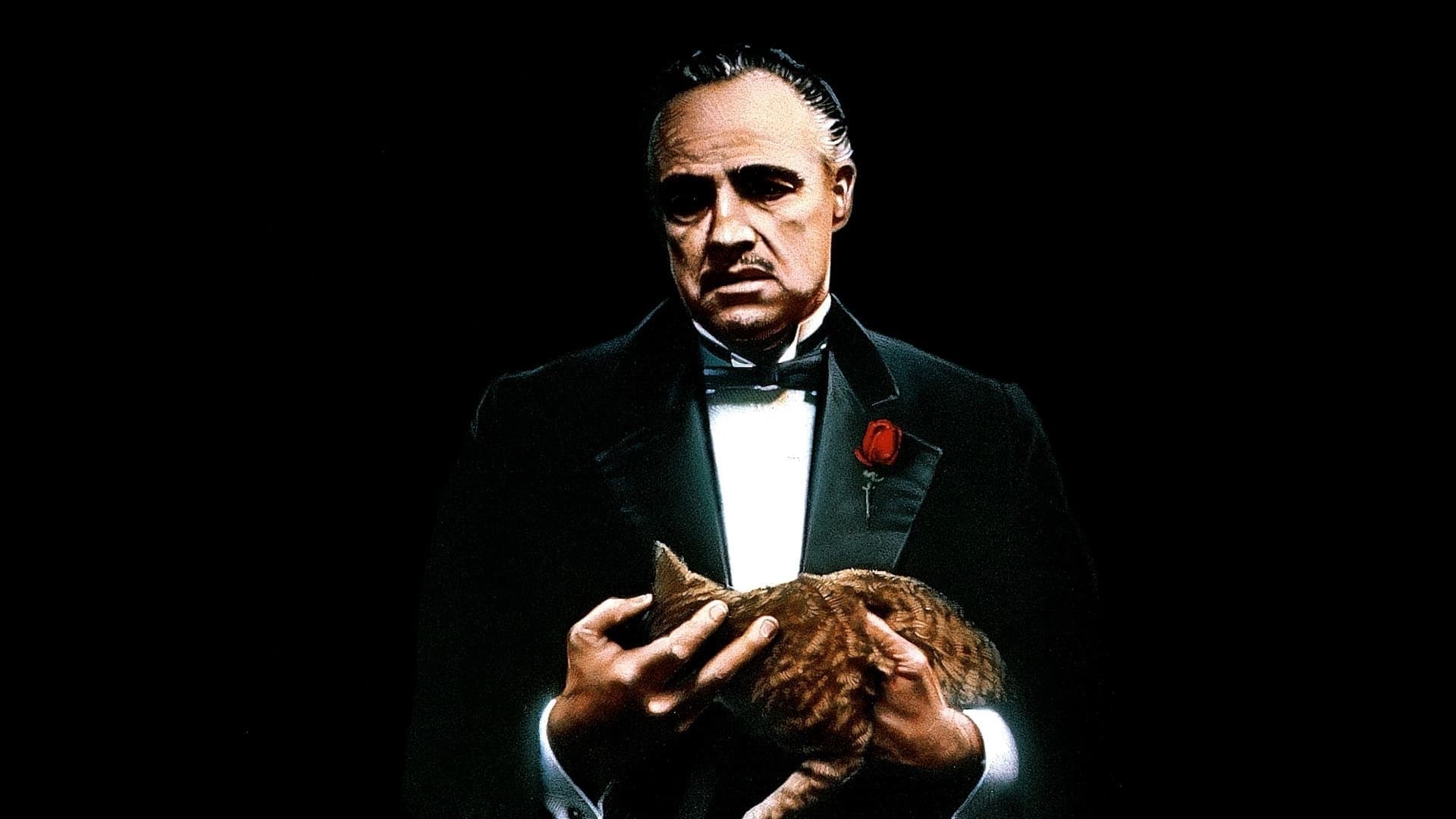
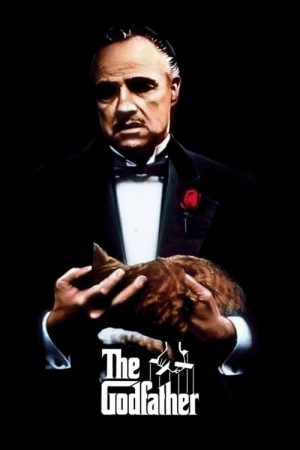
The Godfather
Spanning the years 1945 to 1955, a chronicle of the fictional Italian-American Corleone crime family. When organized crime family patriarch, Vito Corleone barely survives an attempt on his life, his youngest son, Michael steps in to take care of the would-be killers, launching a campaign of bloody revenge.



Where to watch


HAPPI TV Review
Let's talk about The Godfather, because even fifty years on, its shadow looms large over the entire crime genre. This isn't just a film; it's a cultural touchstone, a masterclass in narrative construction that, frankly, few modern productions even attempt to emulate. Francis Ford Coppola’s 1972 epic, clocking in at nearly three hours, defies the TikTok-era attention span, yet its enduring popularity, even on streaming platforms, proves that genuine quality still cuts through the noise.
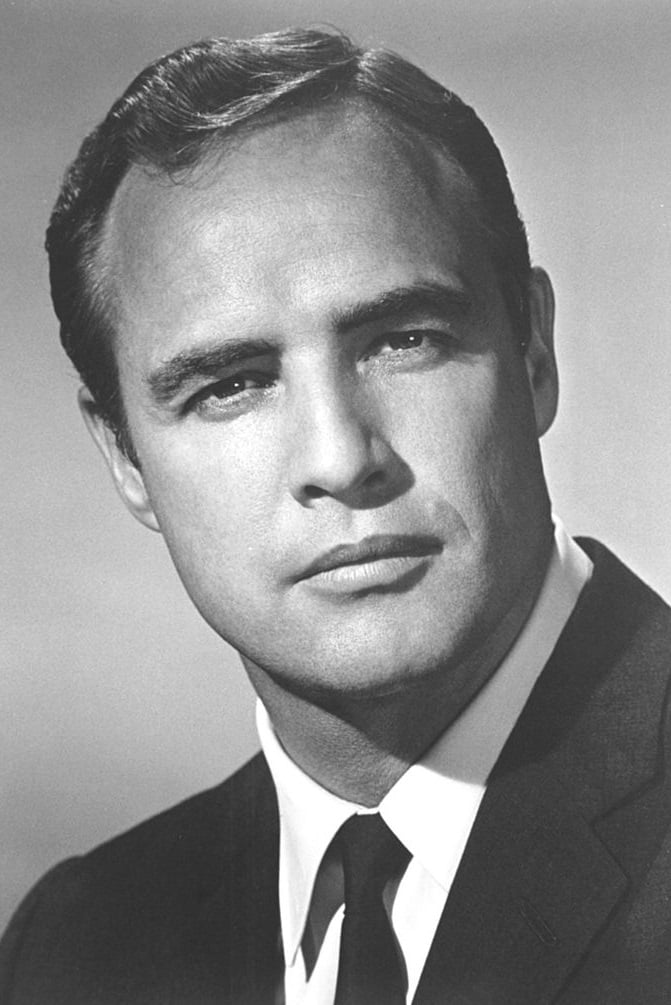
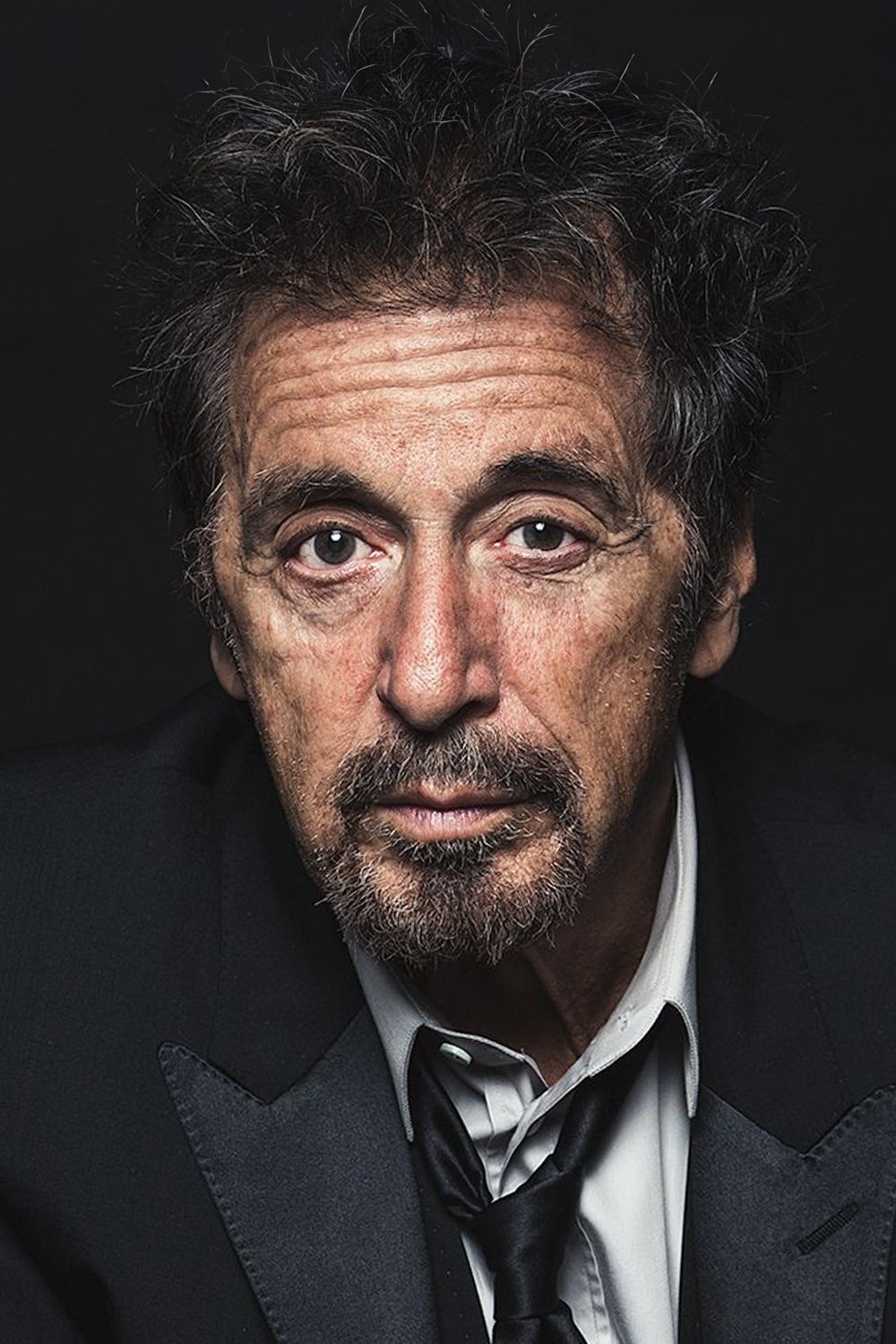
The film's genius lies in its intimate portrayal of power and family, rather than just gratuitous violence. The shift from Vito Corleone, masterfully embodied by Marlon Brando's gravelly authority, to Al Pacino’s chilling transformation into Michael is the narrative spine. It’s a slow-burn character study, not a rapid-fire action flick, and that deliberate pacing is a strength. We witness Michael’s descent not as a sudden switch, but as a series of calculated, increasingly ruthless decisions, each one peeling back a layer of his former innocence. This depth of character development is precisely what engages an audience for 175 minutes; they are invested in the emotional stakes, not just the plot mechanics.
However, for all its undeniable brilliance, one could argue that The Godfather's slow burn might test the patience of a younger, binge-watching demographic accustomed to high-octane pacing and immediate gratification. Its meticulous world-building, while foundational to its success, requires a commitment that some viewers are less willing to give today. The female characters, while impactful in their moments, are largely reactive, serving primarily as catalysts or reflections of the male protagonists' struggles, a common critique of its era that stands out more sharply now.
Despite these minor anachronisms in its portrayal of gender, The Godfather remains a foundational text for understanding dramatic storytelling. Its casting choices were legendary, particularly Pacino, whose nuanced performance paved the way for anti-hero protagonists we see dominating prestige television today. The film didn't just tell a story; it defined a genre, influencing countless crime dramas that followed. Its enduring appeal on digital platforms isn't just nostalgia; it's a testament to timeless themes of loyalty, betrayal, and the corrupting nature of power, presented with an artistic integrity that transcends fleeting trends. It's a must-watch, a benchmark for any serious student of film or compelling narrative.