Life Is Beautiful
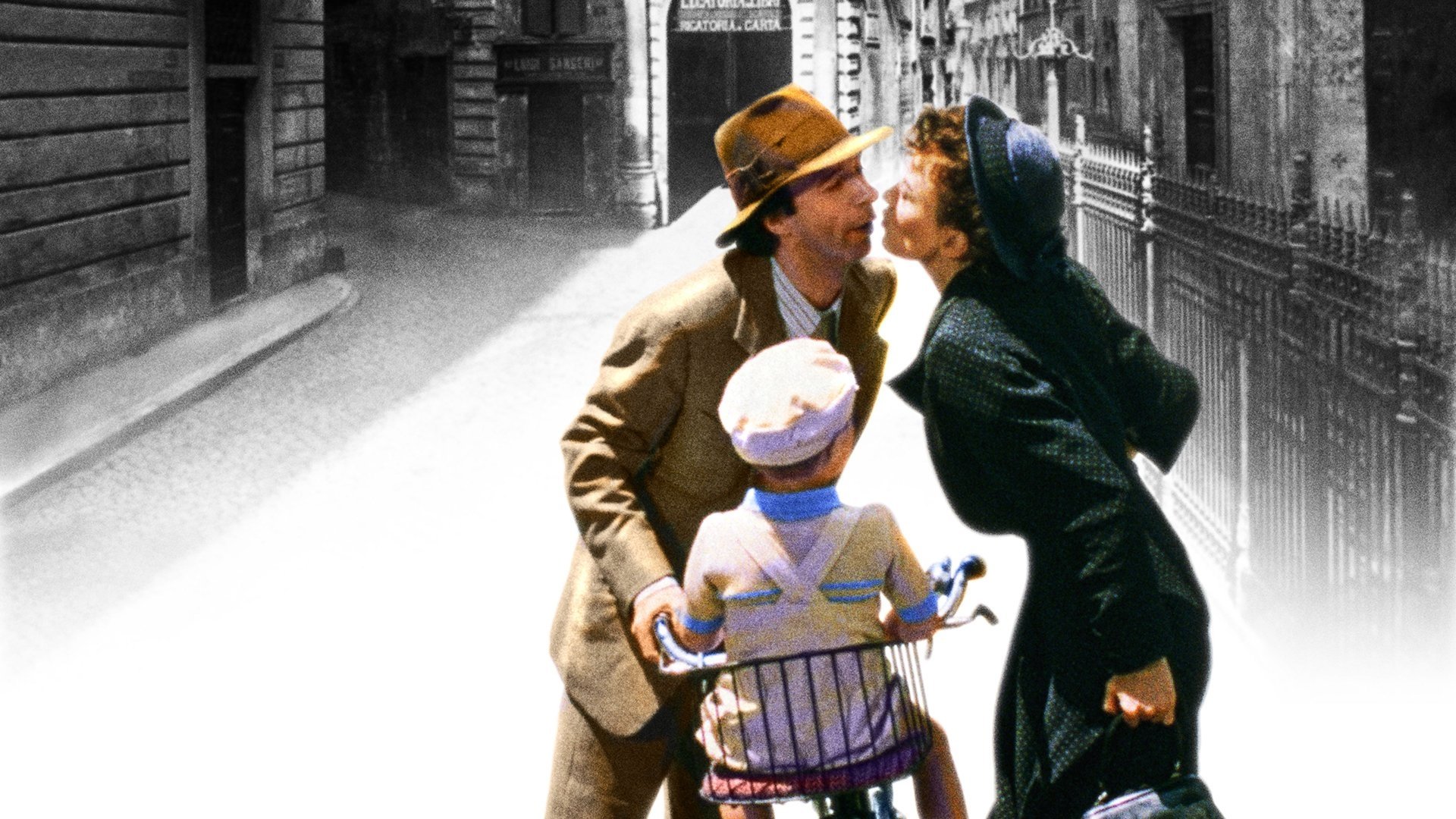
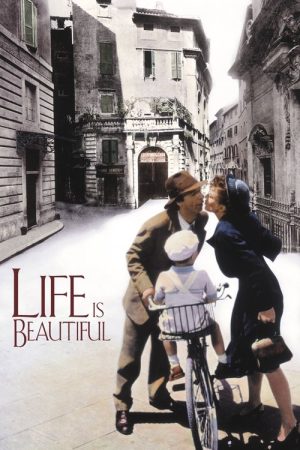
A touching story of an Italian book seller of Jewish ancestry who lives in his own little fairy tale. His creative and happy life would come to an abrupt halt when his entire family is deported to a concentration camp during World War II. While locked up he tries to convince his son that the whole thing is just a game.










Where to watch


HAPPI TV Review
Roberto Benigni’s *Life Is Beautiful* is a film that, even a quarter-century later, sparks intense debate and remains a fascinating case study in narrative risk-taking. This 1997 drama-comedy, clocking in at 116 minutes, isn't just a movie; it's a bold artistic statement that dared to find humor amidst unspeakable tragedy.
Benigni, as director and star, crafts a first act that feels almost like a classic European romantic comedy. His character, Guido, is endearing, whimsical, and utterly devoted to his "fairy tale" life with Dora and their son, Giosuè. This early charm is crucial. It builds an emotional reservoir, allowing the audience to invest deeply in this family before the narrative pivots sharply into the harrowing reality of the concentration camp. This structural choice, moving from lighthearted romance to brutal survival, is audacious. It works because Benigni commits fully to both tones, making the contrast all the more impactful. His performance, alongside Nicoletta Braschi and the remarkable Giorgio Cantarini, anchors the film with genuine warmth and heartbreaking vulnerability.
However, this very audacity is also where *Life Is Beautiful* finds its critics. The premise of shielding a child from the Holocaust's horrors by framing it as a game is undeniably controversial. Some argue it trivializes a historical atrocity, while others see it as a testament to the human spirit's resilience and a father's ultimate sacrifice. In today's streaming landscape, where historical dramas are meticulously fact-checked and often lean into grim realism, *Life Is Beautiful* stands out as a film that prioritizes emotional truth over strict historical accuracy in its depiction of the camp. Its success speaks to a universal longing for hope, even in the darkest circumstances, a sentiment that still resonates with audiences seeking powerful, emotionally charged stories. While its blend of genres might feel jarring to some modern viewers accustomed to more straightforward storytelling, its enduring popularity and an 8.4/10 rating confirm its unique place in cinema, proving that sometimes, the riskiest narratives yield the most unforgettable experiences.