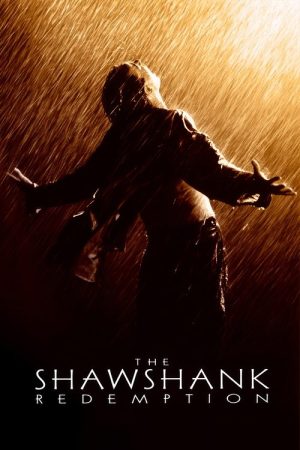
The Shawshank Redemption
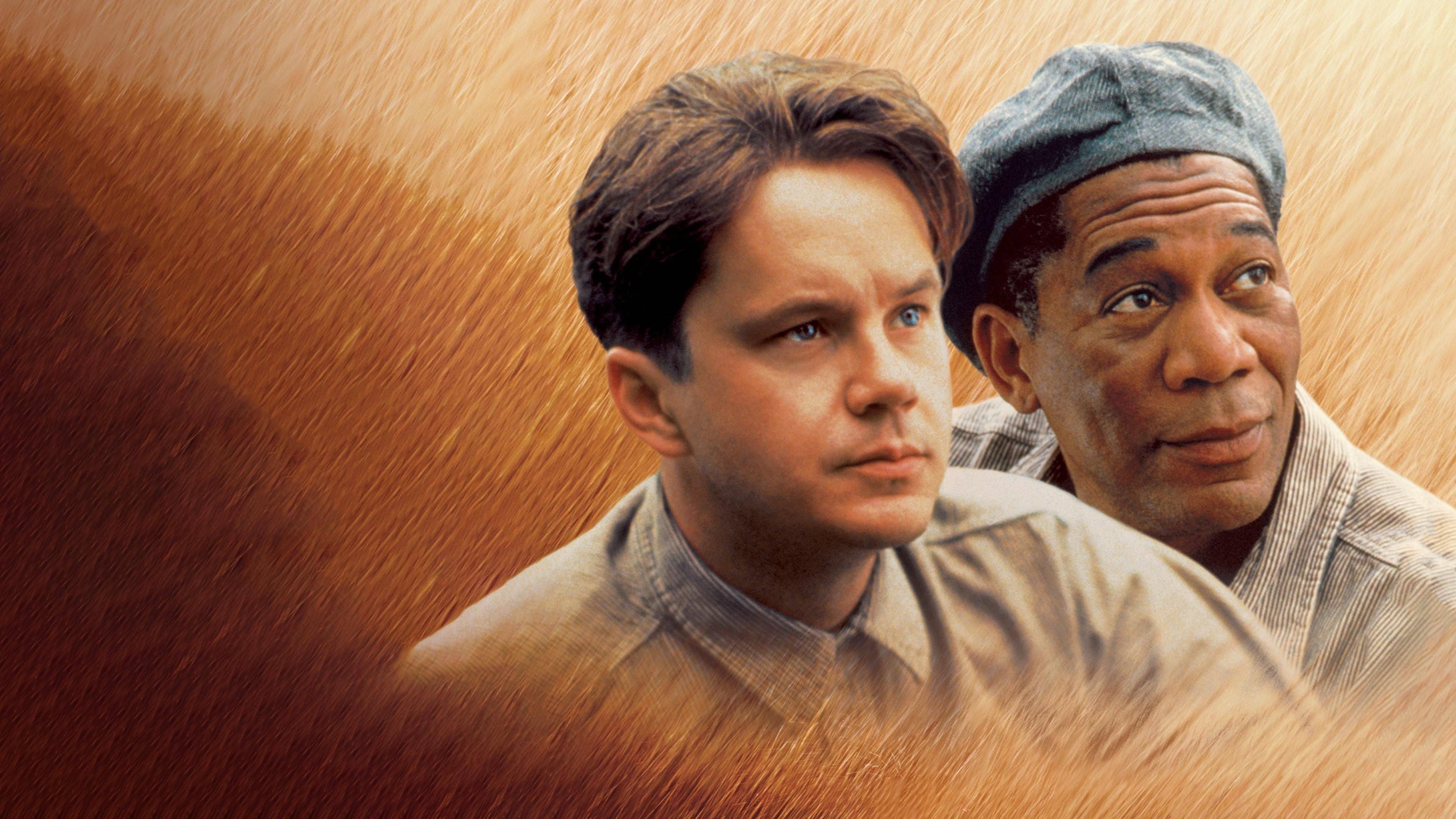
Imprisoned in the 1940s for the double murder of his wife and her lover, upstanding banker Andy Dufresne begins a new life at the Shawshank prison, where he puts his accounting skills to work for an amoral warden. During his long stretch in prison, Dufresne comes to be admired by the other inmates — including an older prisoner named Red — for his integrity and unquenchable sense of hope.










Where to watch


HAPPI TV Review
"The Shawshank Redemption" remains a cinematic touchstone, a film whose enduring popularity, even nearly three decades after its release, speaks volumes about its narrative power and strategic casting. It’s a masterclass in emotional resonance, proving that a well-told story, even one rooted in a dark setting, can transcend eras and platforms.
Frank Darabont’s direction, coupled with a script that meticulously builds anticipation, is its core strength. The slow burn of Andy Dufresne's journey, narrated with such gravitas by Morgan Freeman's Red, is a narrative structure that modern streaming often struggles to replicate in its pursuit of instant gratification. This film demands patience, a quality that paradoxically makes its payoff so much more impactful. Tim Robbins’ understated performance as Andy is crucial; his quiet resilience prevents the character from ever feeling melodramatic, making his eventual triumph feel earned and deeply satisfying. This isn't a blockbuster with rapid cuts or constant action; it's a character study where every moment, every interaction, builds towards a singular, powerful release.
While its critical reception has always been stellar, its initial box office was modest. This is where we see the power of long-tail engagement, a concept now amplified by streaming. "Shawshank" found its audience through word-of-mouth, home video, and repeated television airings, solidifying its place as a cultural phenomenon. In today's market, a film like this would likely thrive as a prestige limited series, allowing for even deeper dives into the ensemble cast. Some might argue its length, at 142 minutes, could be a hurdle for modern attention spans, but the masterful pacing ensures it never drags. The film's only real "weakness," if one can call it that, is its near-perfection; it leaves little room for critical dissection beyond admiring its craft.
"The Shawshank Redemption" isn't just a good movie; it's a blueprint for enduring storytelling. It proves that hope, meticulously woven into a compelling drama with impeccable performances, will always find its audience, no matter the decade or the viewing platform. Its continued relevance is a testament to its timeless themes and flawless execution.