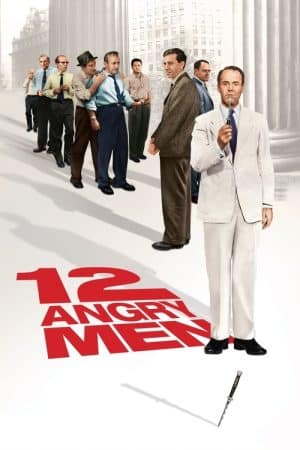
12 Angry Men
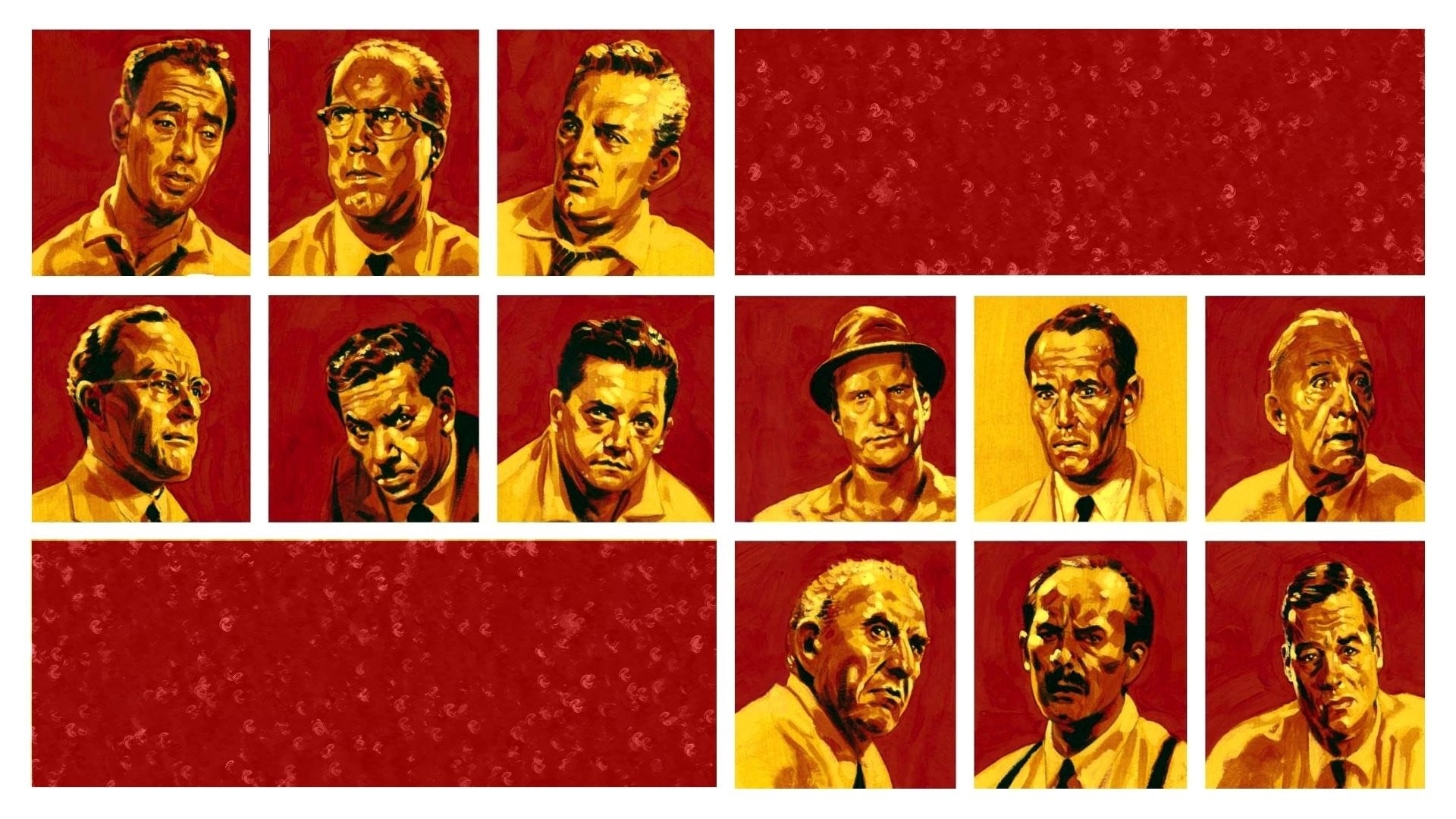
The defense and the prosecution have rested and the jury is filing into the jury room to decide if a young Spanish-American is guilty or innocent of murdering his father. What begins as an open and shut case soon becomes a mini-drama of each of the jurors’ prejudices and preconceptions about the trial, the accused, and each other.
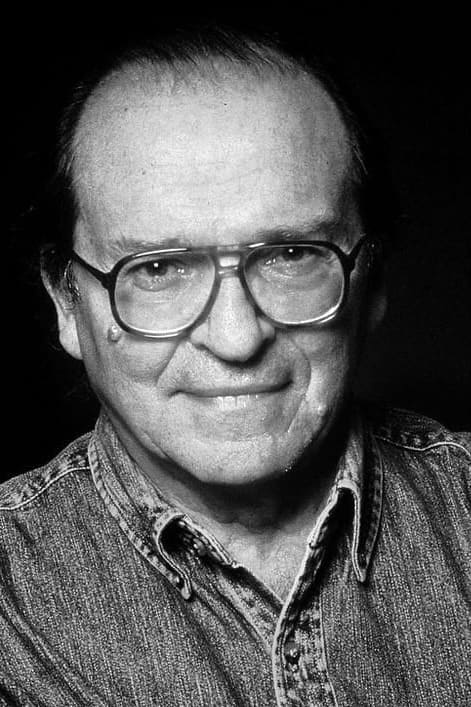
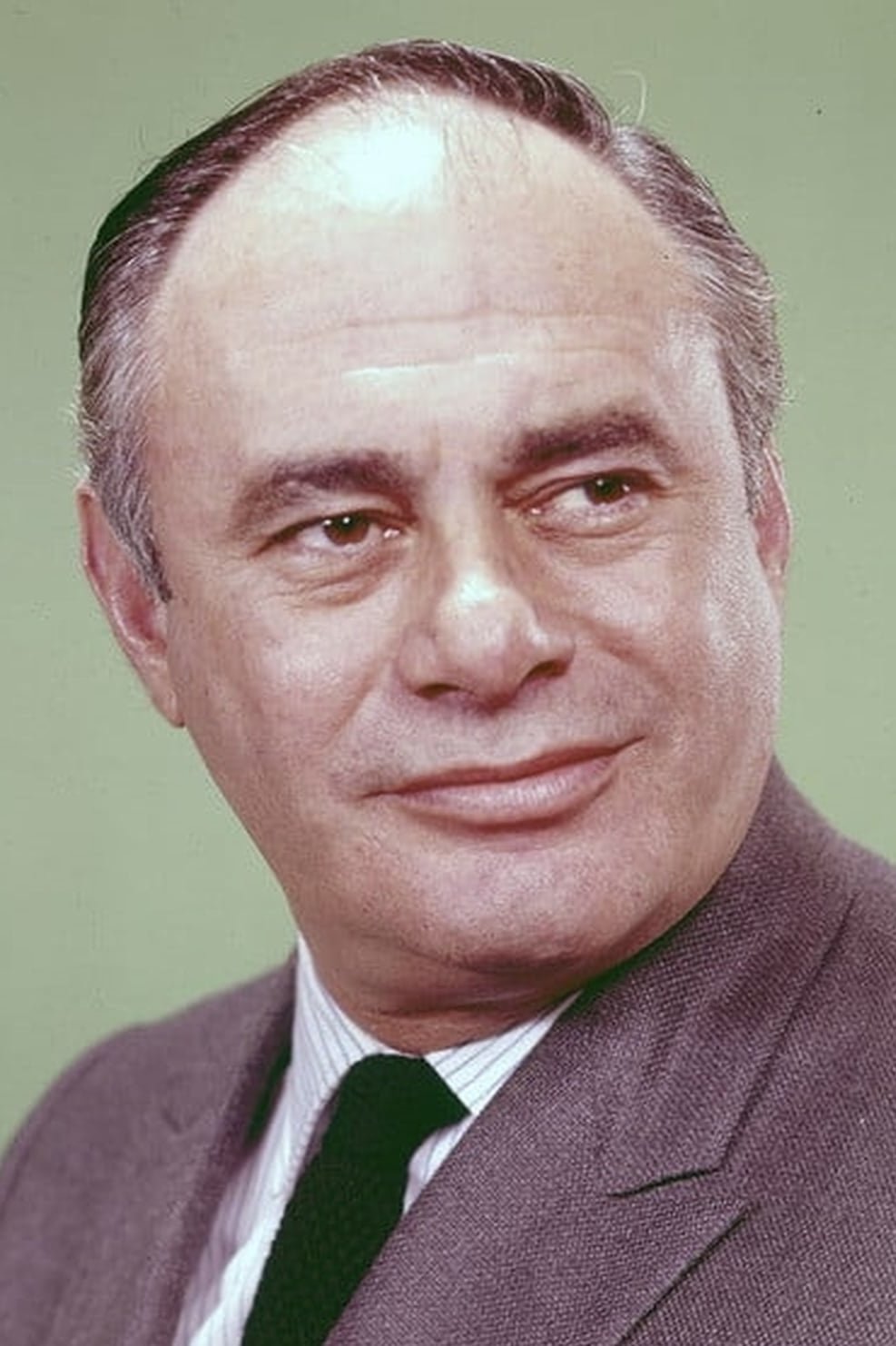
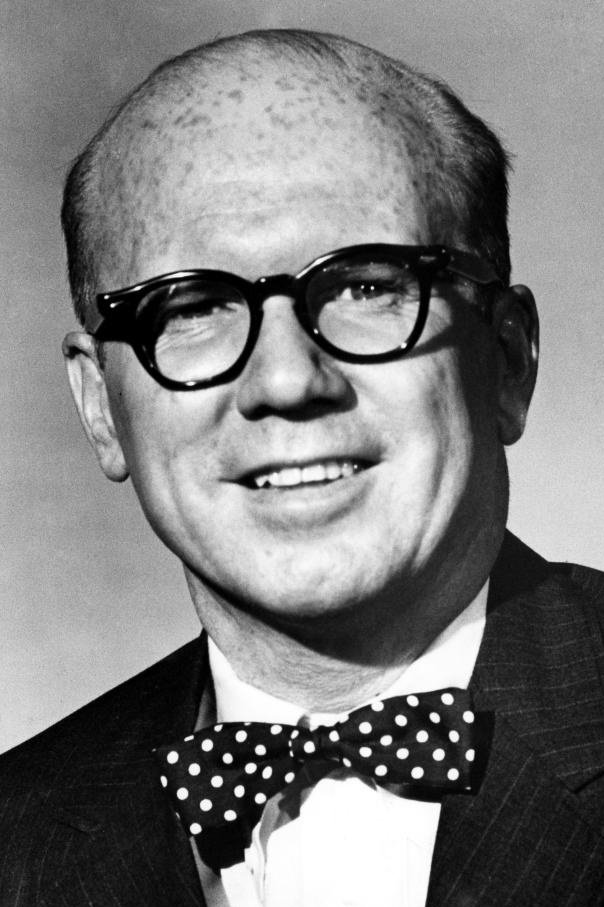
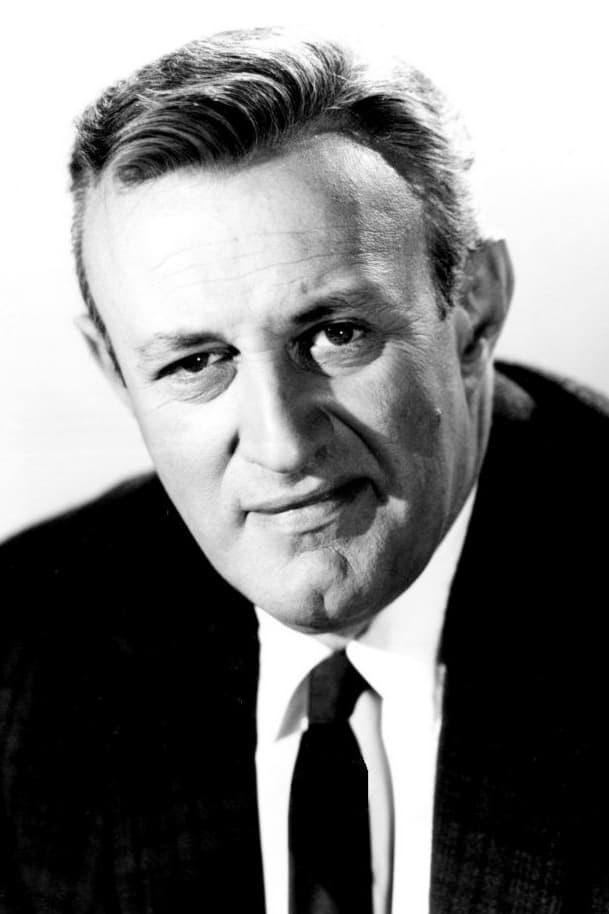
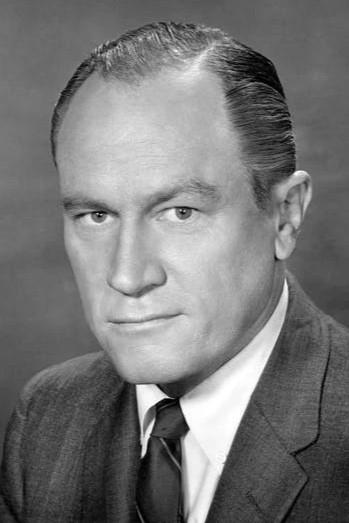
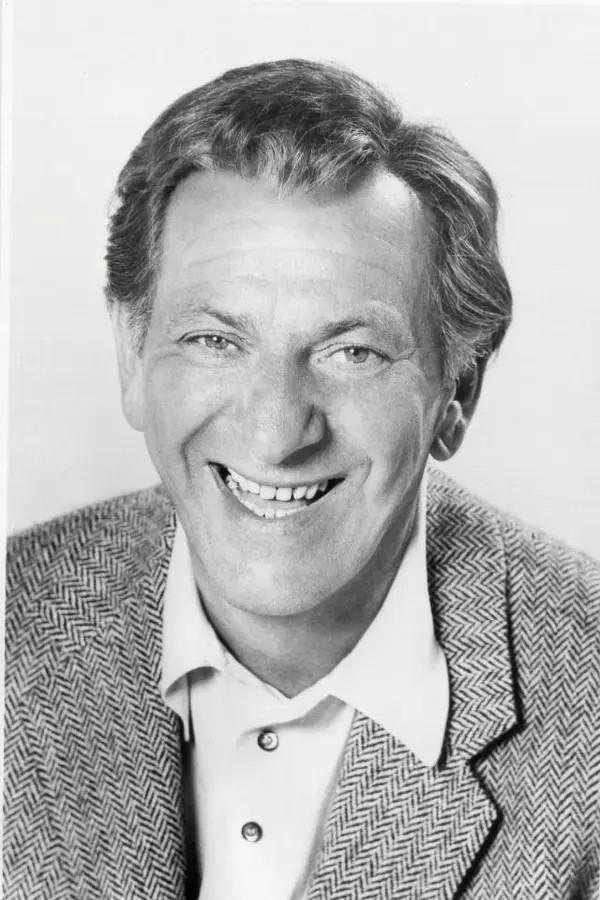
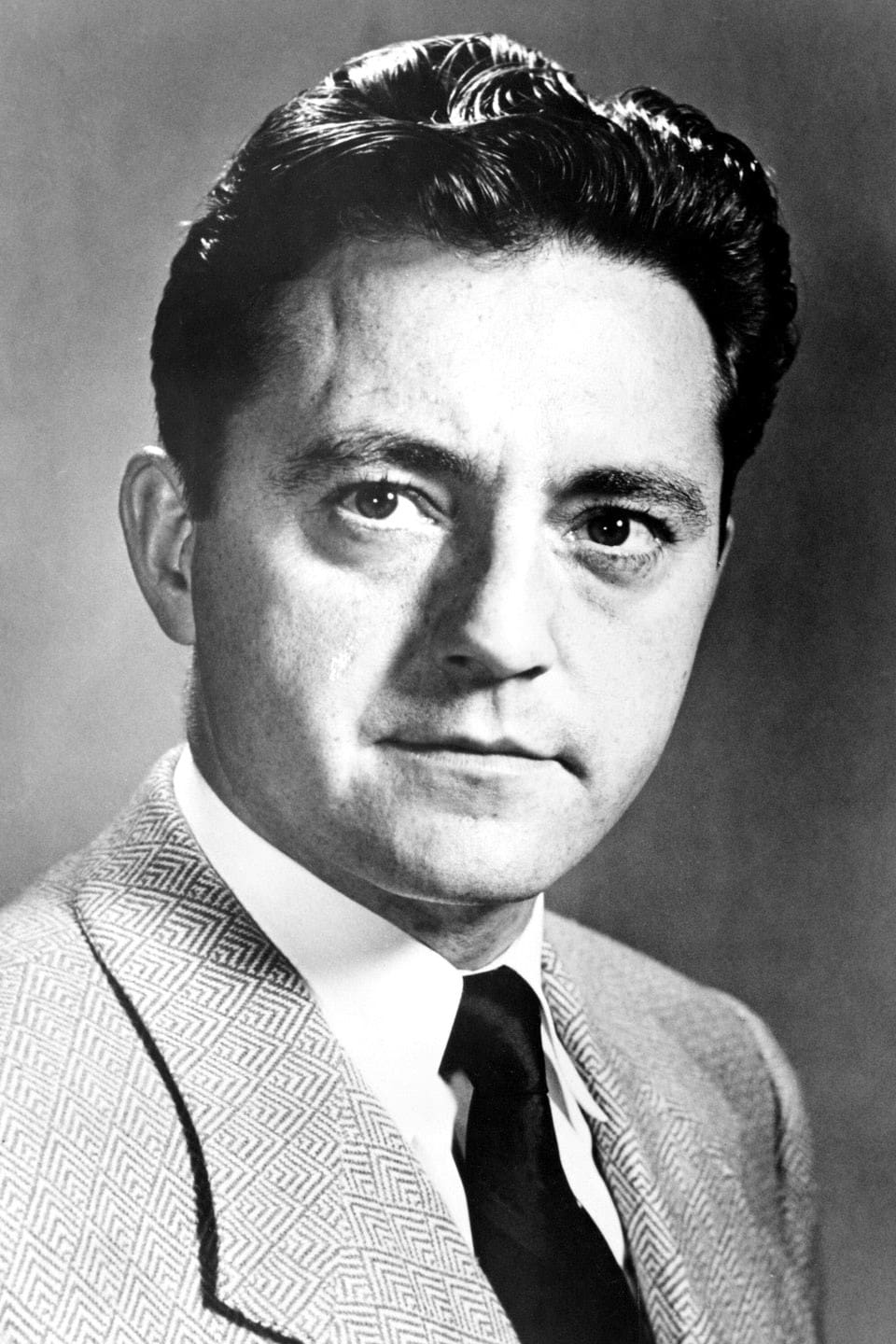
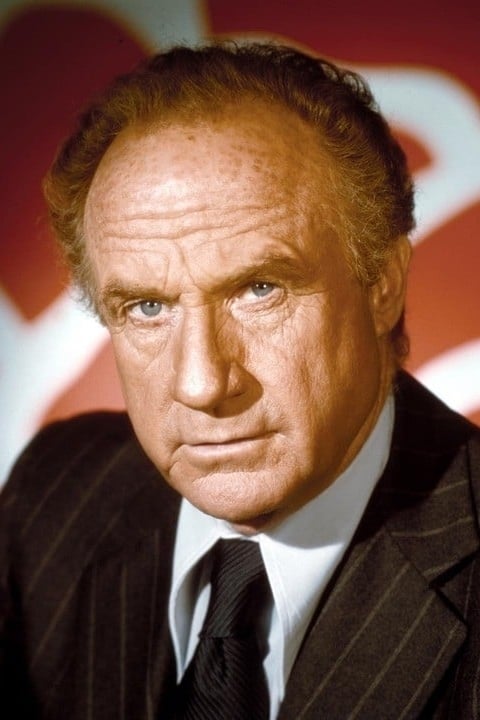
Where to watch


HAPPI TV Review
Sidney Lumet's 1957 masterpiece, "12 Angry Men," remains a masterclass in cinematic tension, proving that a single room and compelling dialogue can outshine any CGI spectacle. In an era saturated with sprawling sagas and IP-driven franchises, this film's enduring relevance speaks volumes about what truly captivates an audience: the human condition laid bare.
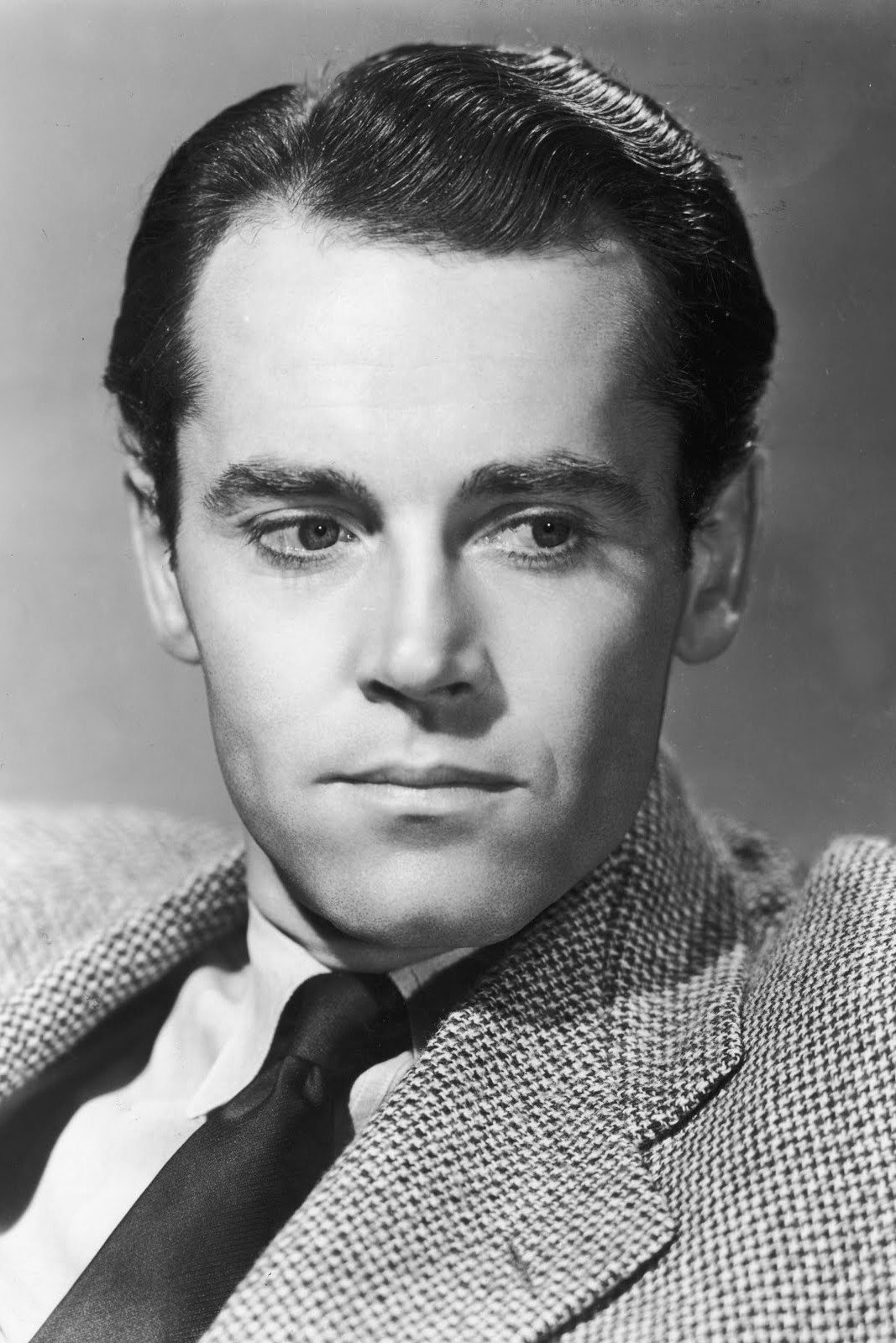
The narrative structure is its genius. Confined to a sweltering jury room, the film unfolds in real-time, leveraging its tight 97-minute runtime to build palpable pressure. This isn't just a story about a murder trial; it's a deep dive into the prejudices and biases that govern our judgments. Henry Fonda, as Juror 8, anchors the ensemble with a quiet yet unwavering conviction, a casting choice that elevates the entire production. His performance is a subtle masterclass in ethical leadership, compelling the audience to question their own assumptions alongside the other jurors. The entire cast, a who's who of character actors, transforms what could be a static stage play into a dynamic exploration of human psychology. Lee J. Cobb's Juror 3, for instance, embodies a visceral, almost terrifying, rage, creating a powerful counterpoint to Fonda's measured reasoning.
While its single-location, dialogue-heavy format might be a tough sell for today's short-attention-span streaming market, "12 Angry Men" is precisely the kind of lean, character-driven drama that could find a niche on platforms seeking prestige content. Its artistic merit lies in its timeless themes of justice, doubt, and the courage to stand alone. However, some modern viewers might find its pacing deliberate, a stark contrast to the rapid-fire editing common today. Despite this, its exploration of systemic bias and the fragility of truth feels more pertinent than ever. It's a film that doesn't just entertain; it provokes thought and demands introspection. A solid 8.5/10, it's essential viewing for anyone interested in the power of storytelling.