










Where to watch


HAPPI TV Review
Steven Spielberg's 1993 epic, *Schindler's List*, isn't just a film; it's a cinematic landmark, a masterclass in historical drama that, even three decades later, continues to resonate with an almost uncomfortable power. In an era where streaming algorithms push for bite-sized content and instant gratification, a nearly three-and-a-half-hour black and white film about the Holocaust might seem like a hard sell. Yet, its enduring relevance speaks volumes about its core strengths and Spielberg's strategic brilliance.
The narrative structure is key to its impact. Spielberg doesn't shy away from the brutal reality of the Holocaust, but he frames it through the evolving perspective of Oskar Schindler. We see the gradual transformation of a pragmatic, opportunistic businessman into a selfless savior. This character arc, embodied with phenomenal subtlety and gravitas by Liam Neeson, is what anchors the film emotionally. Neeson’s performance, alongside Ralph Fiennes’ chilling portrayal of Amon Goeth, elevates the film beyond mere historical recounting into a profound study of humanity's extremes. The casting was impeccable; these actors weren't just playing roles, they were inhabiting history, making the unimaginable feel terrifyingly real.
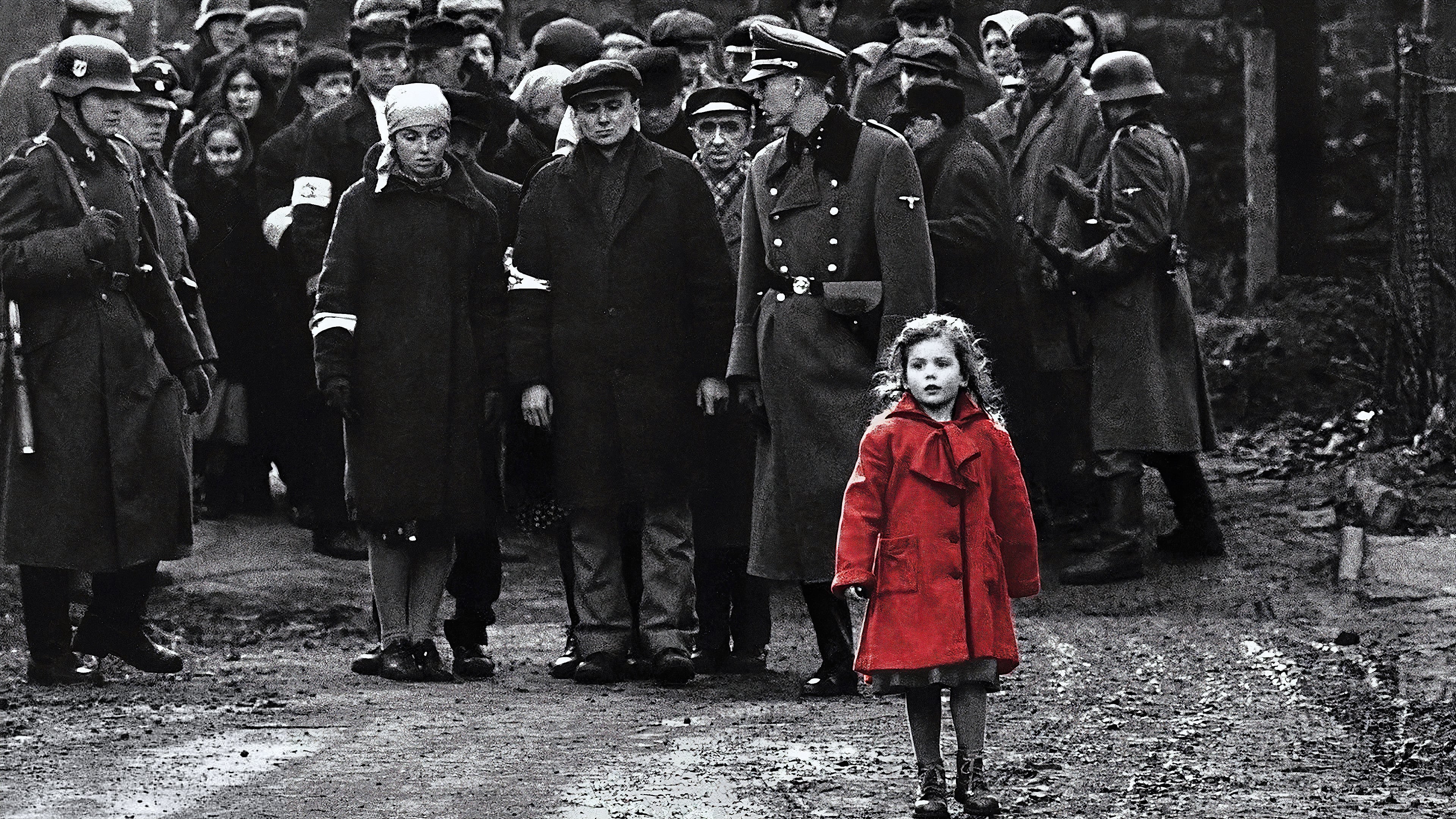
Artistically, the choice to film predominantly in black and white was a stroke of genius. It strips away any potential for aestheticizing the horror, forcing the audience to confront the stark reality of the events. The occasional splash of color, most notably the girl in the red coat, serves as a poignant, almost unbearably symbolic moment that cuts through the desolation. This isn't just a stylistic choice; it's a narrative device that amplifies the film's emotional weight.
However, its very power can also be seen as a limitation in today's market. Its unflinching depiction of suffering, while essential, means it’s not a film for casual viewing. It demands emotional labor from its audience, a commitment that some contemporary viewers, accustomed to more easily digestible content, might shy away from. While its critical acclaim and historical significance ensure its place in film history, its sheer intensity means it’s unlikely to achieve the same viral re-watchability as lighter, more escapist fare on platforms.
Ultimately, *Schindler's List* succeeds because it’s more than just a historical document; it’s a deeply human story about choice, morality, and the quiet heroism found amidst unimaginable evil. It’s a film that reminds us of cinema’s capacity to educate, to challenge, and to move us profoundly, a quality that transcends any fleeting trend or streaming metric. For that, it remains an essential watch.